AMD-GAS: News story about the AgriFood and Biotechnology Open Day - 11 February 2026 in Cradock (Nxuba), Eastern Cape, South Africa
General:
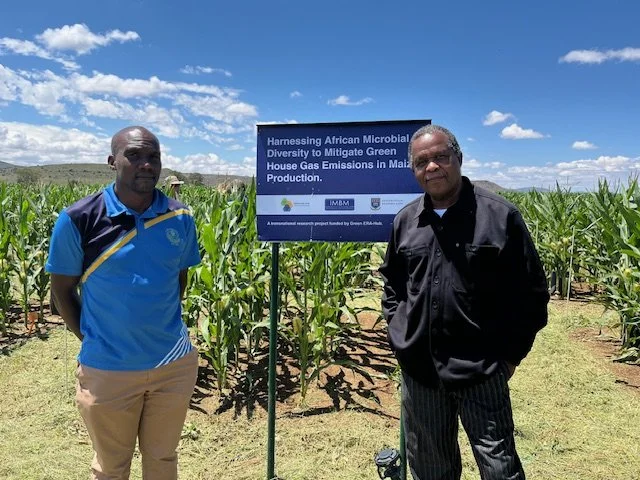
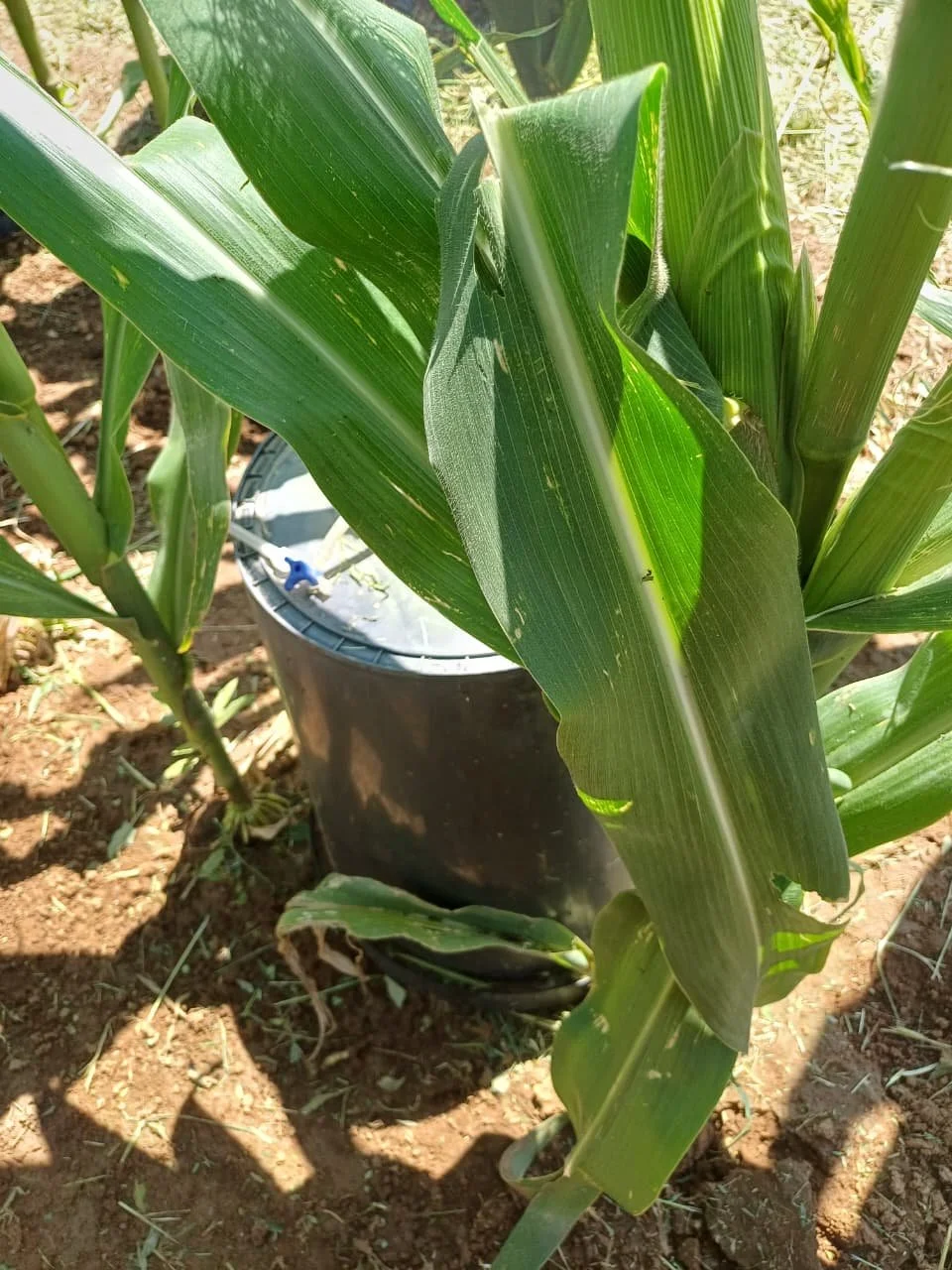
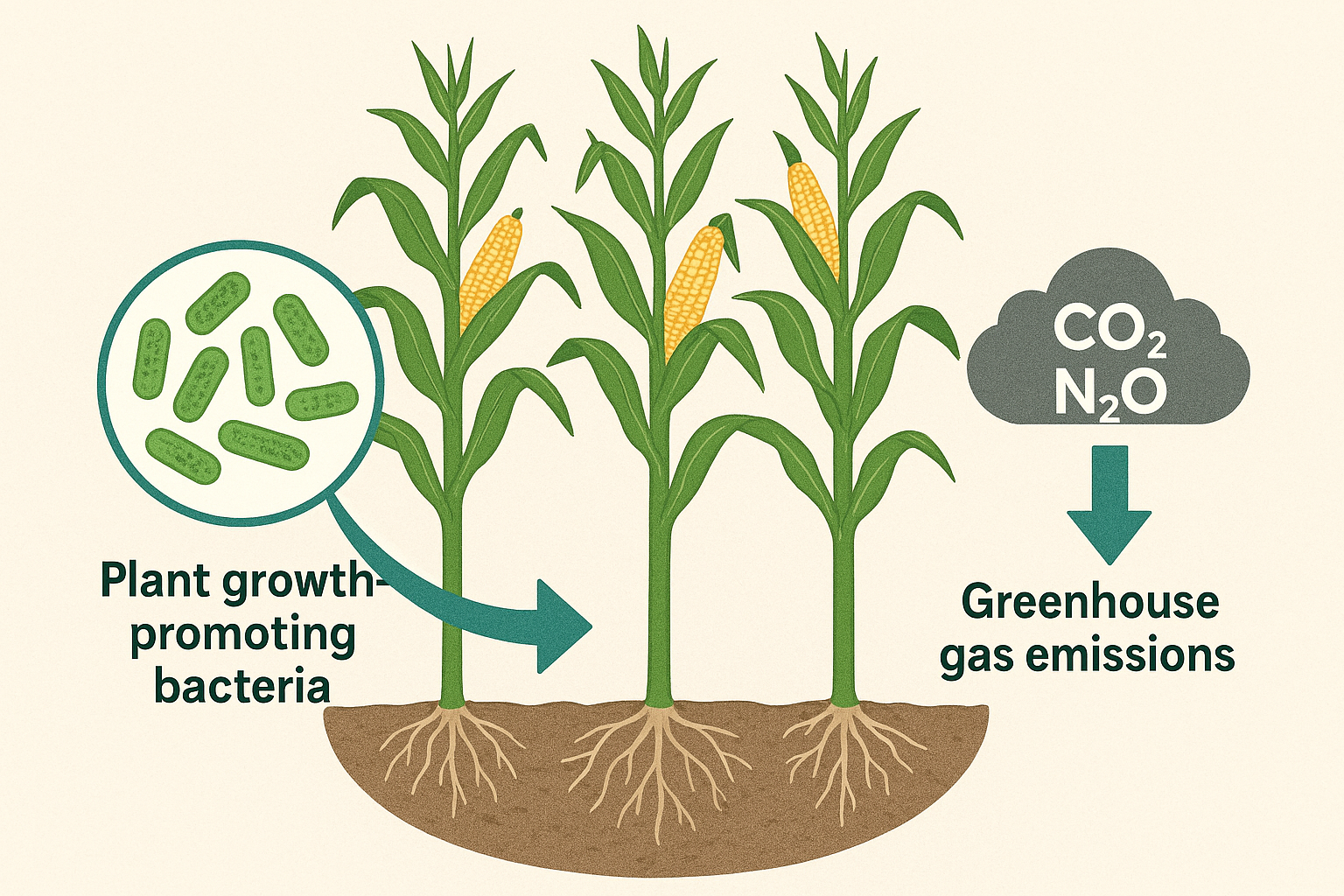
The Agri-Food and Biotechnology Open Day is an community engagement activity of the five-partner transcontinental project funded by the Green ERA-Hub, an European-funded programme which coordinates research programmes on Agri-Food and Biotechnology (see the link Coordination of research programmes on Agri-Food and Biotechnology). The project is coordinated by the University of the Western Cape (UWC). The project investigates the use of plant growth promoting bacteria to improve crop health and yield in maize production, while decreasing the use of chemical fertilizers, which we know is a major contributor to greenhouse gas emissions. The project is of particular importance to Sub-Saharan Africa where food security is a growing concern but farmers are also under pressure to employ environmentally sustainable agricultural practices. The project includes a 100m2 field trial which is conducted at the commercial farm of the Marlow Agricultural High School in Cradock (Nxuba) in the Eastern Cape, South Africa.
The project is the only one from the African continent funded from this programme in 2024 and showcases how national and international expertise can employ technologies to impact agriculture in Sub-Saharan Africa.
Specific details about the Open Day:
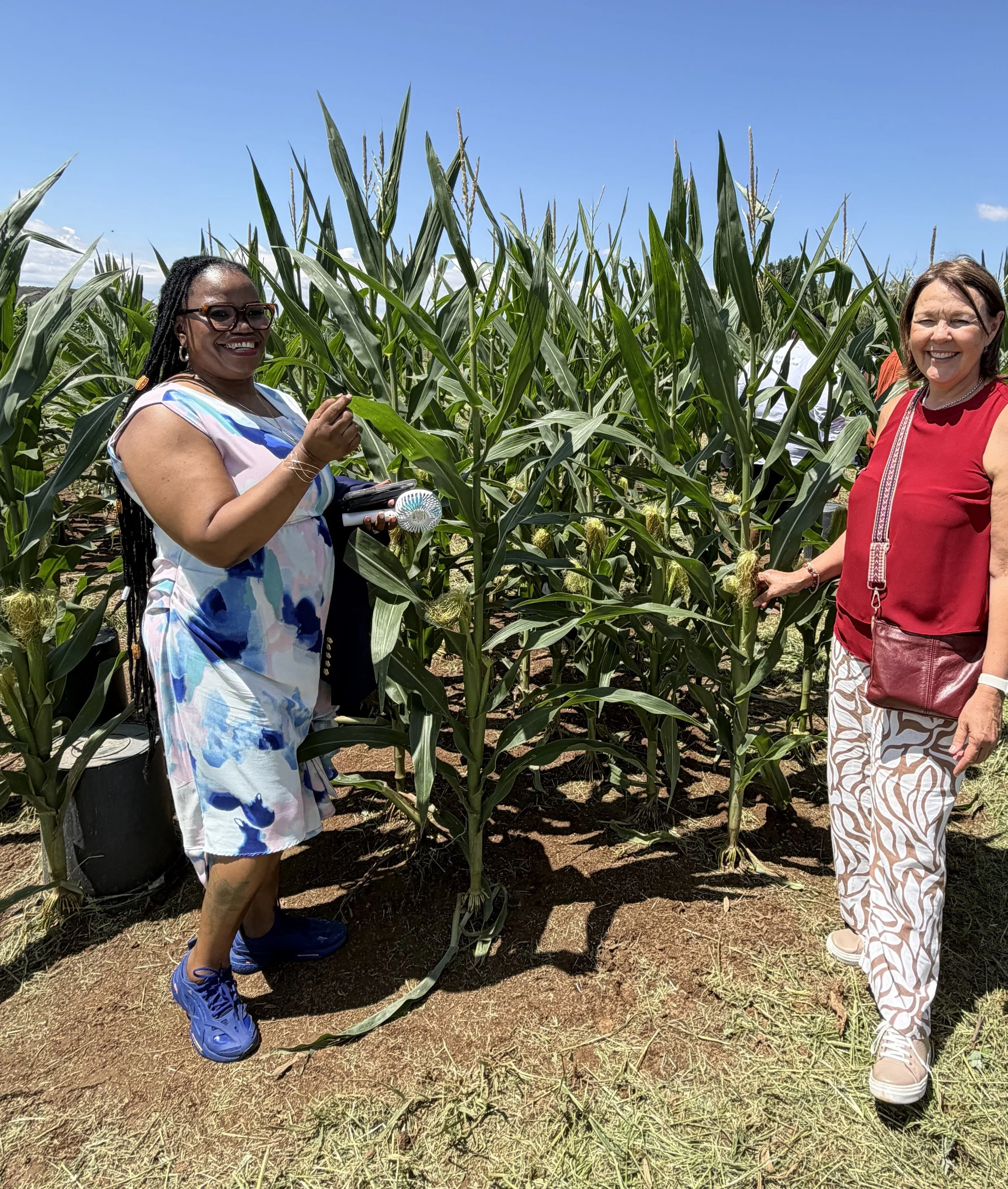
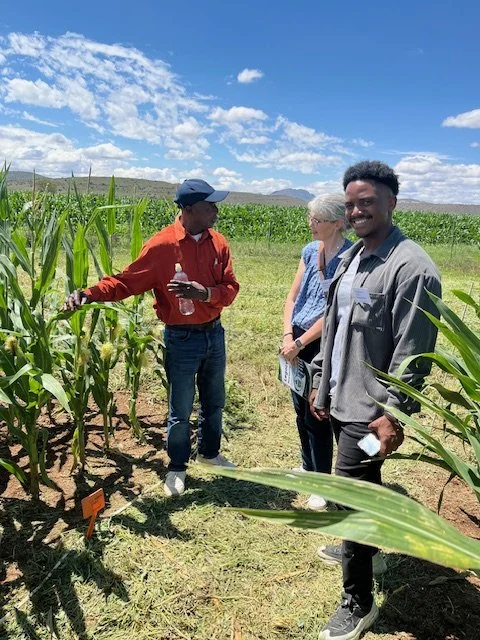
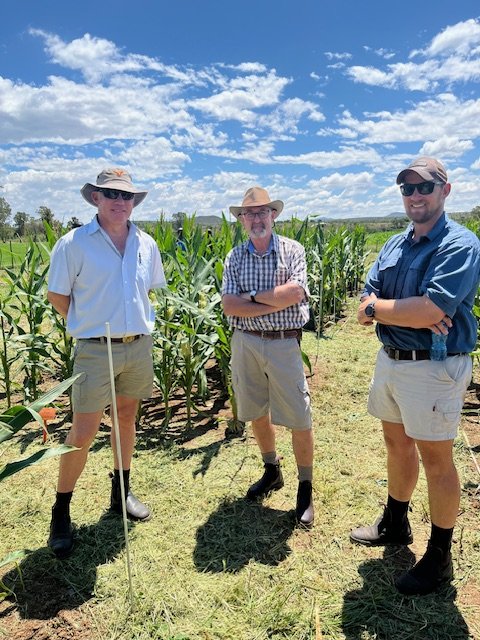
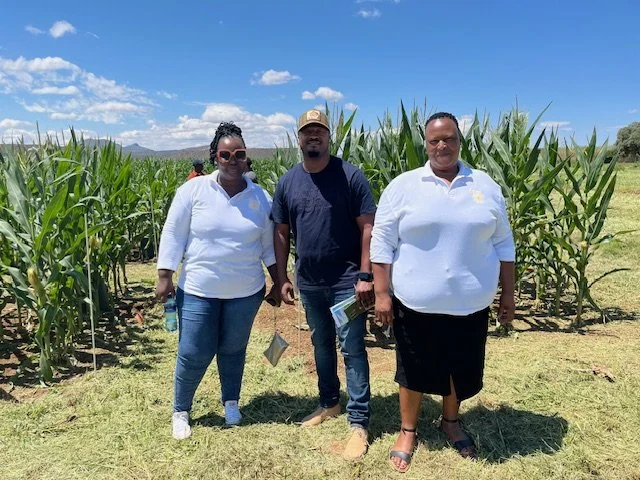
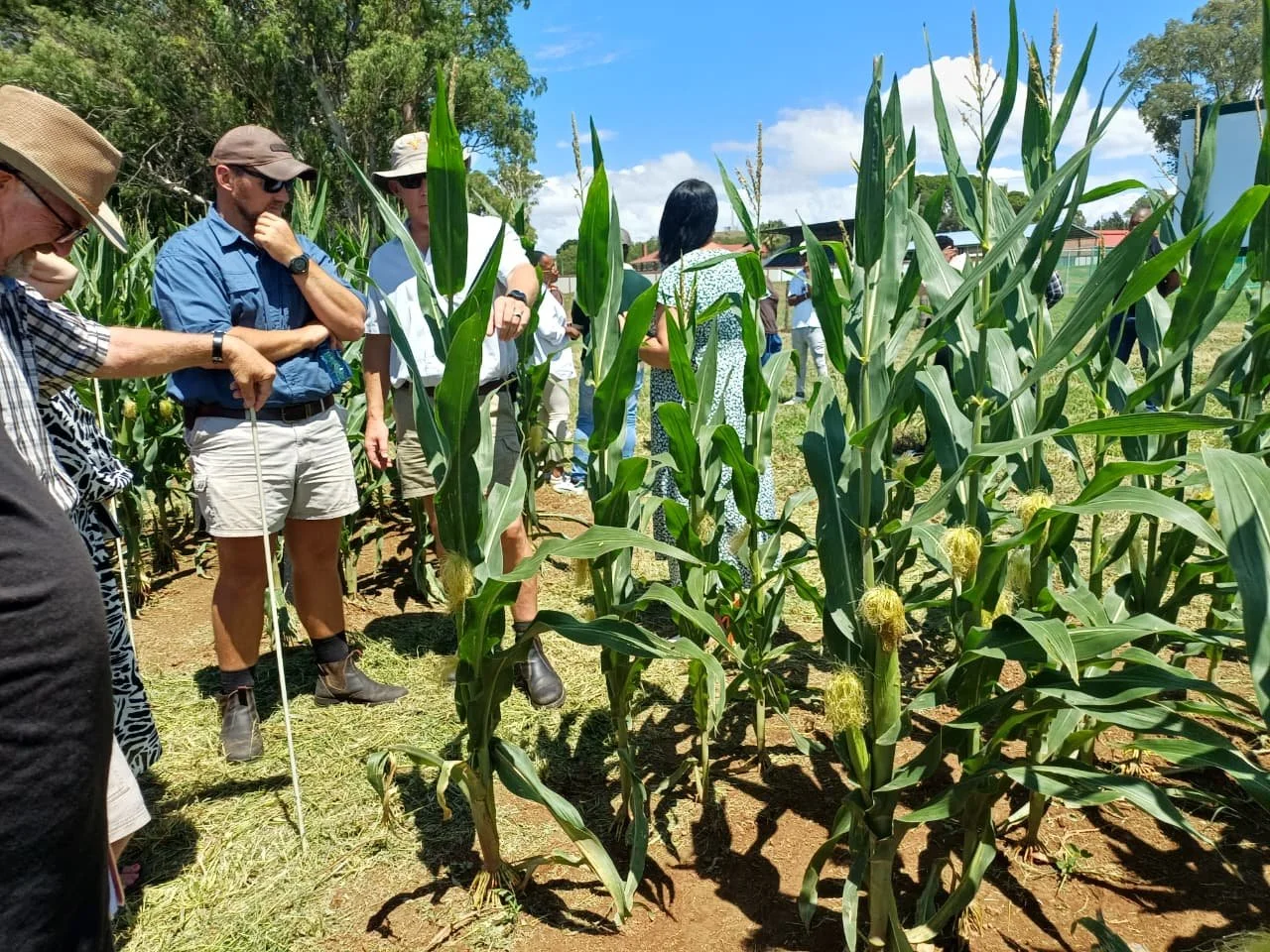
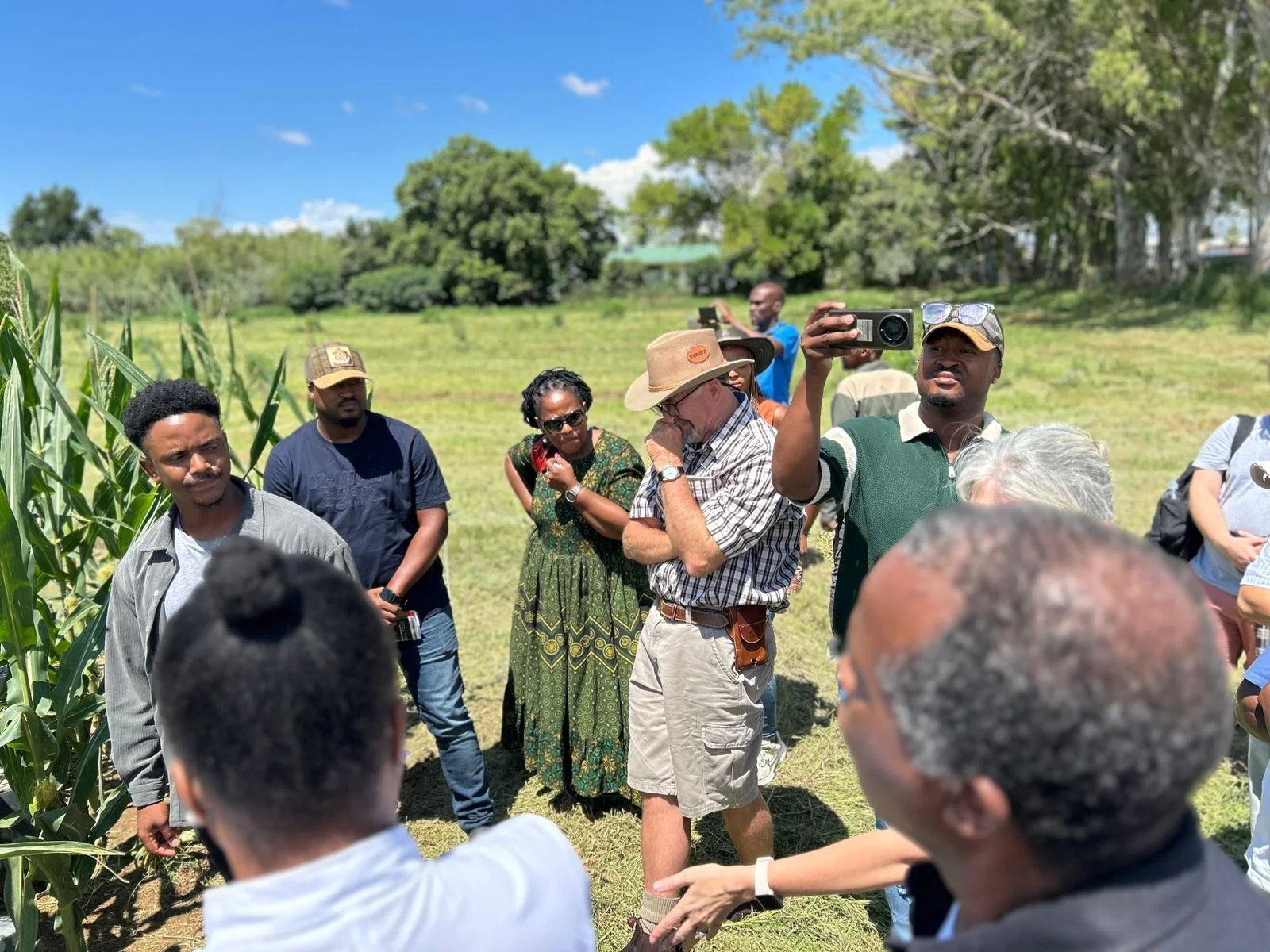
The Day was held on 11 February 2026 at the Marlow Agricultural High School and included a visit to the field trial.
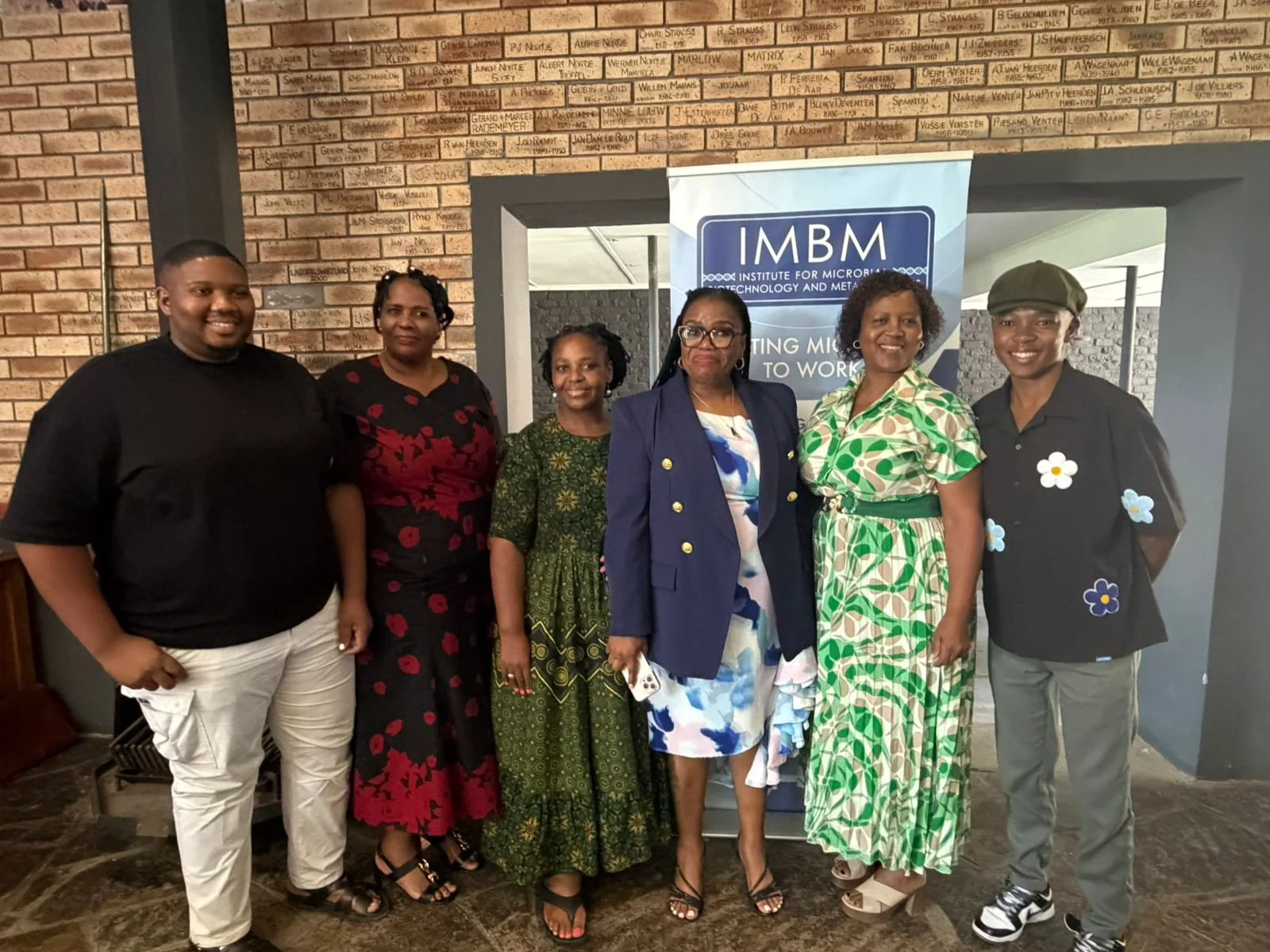
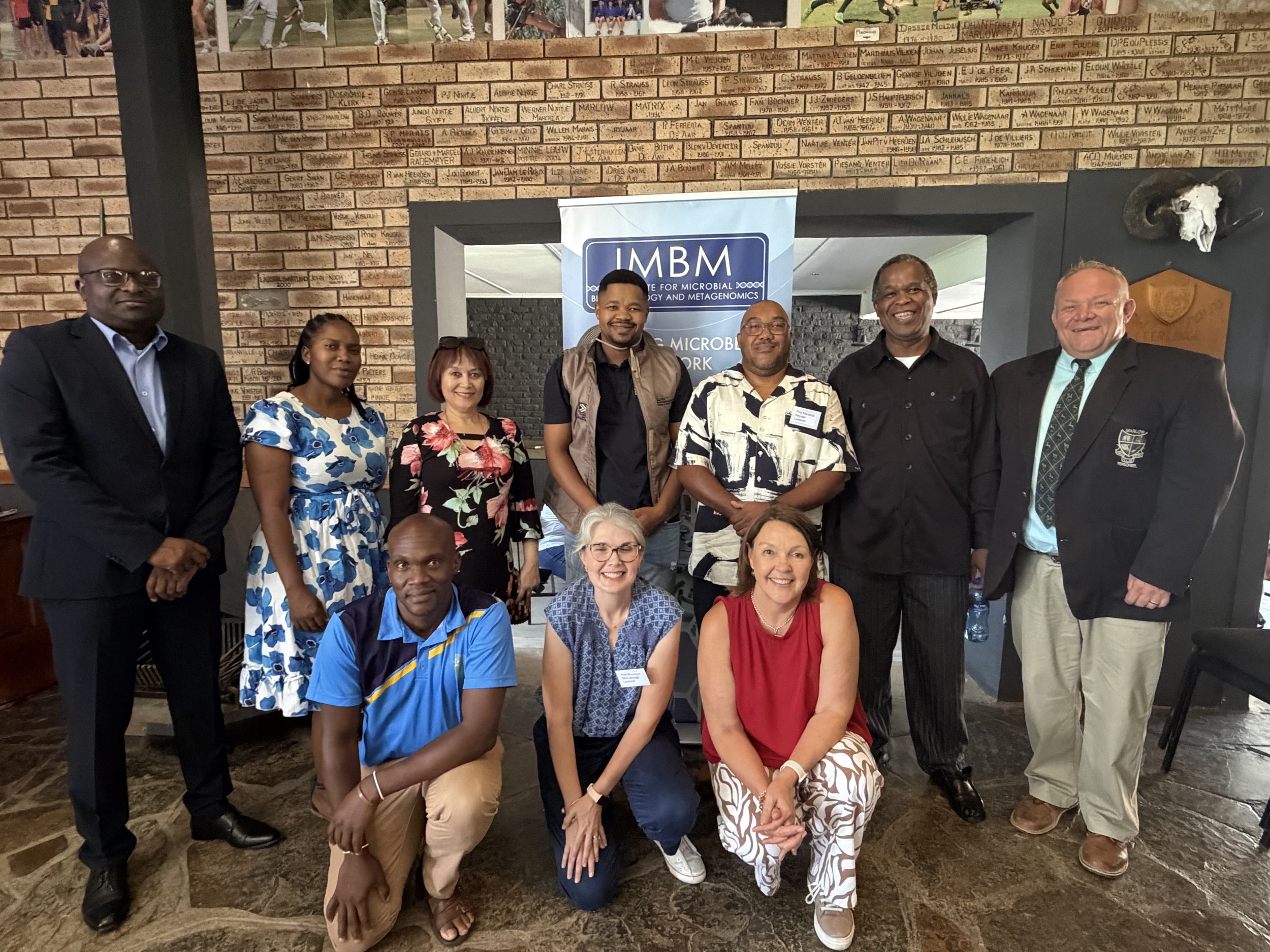
The event was attended by about 35 participants which included farmers (commercial and small-scale), Agricultural School farm managers, Eastern Cape (EC) Department of Agriculture, EC Rural Development Agency, EC Department of Agriculture, members of the Cradock (Nxuba) Municipality, the Nxubu Executive Mayor, Heads of Departments from two Cradock schools that offer an agriculture curriculum, and representatives of companies that specialise in the development of solutions for the South African agricultural industry.
Key highlights from the Day (see the Programme and Speaker Details attached) include the interest in attending the Day (some attendees travelled as far as 200-300km to attend the Day), the very lively Question and Answer session and a lot of interest in the specific technology and field trial results to date during the field trial visit. The programme included presentations by Prof Marshall Keyster, Research Chair of Sustainable Agriculture, Department of Biotechnology, UWC: “Feeding the future: Biotechnology at the heart of regenerative and sustainable”; Mr Masithembe Zantanta, Extension Officer, EC Department of Agriculture: Cradock Office: “ECDoA programmes aimed at promoting sustainable agriculture and food security in the Eastern Cape”; Ms Brenda Subramanien, Acting Director, School Landscape Management, Revitalization and Rural Education: “Message of support from EC Department of Education”; Executive Mayor Noncedo Zonke (Inxuba Yethemba Municipality) “Message of Support and Close of formal programme”.
Notable feedback from the Day include comments and questions from farmers and experts in the agricultural industry which provided the UWC team with useful information which can be used to evaluate the results and to plan further experimental work and the identification of aspects to assess the commercial potential of the technology
Farmers and sector role players expressed their interest in an initiative to offer such an event on an annual basis and/or to roll it out to other areas in the EC. The Farm Managers of the EC Agricultural Schools are interested in how they can implement something like this on their farms i.e. something practical to demonstrate the associated technologies to their learners.
More details about the technology and the project itself:
This project is an example of how selected microorganisms can be used in regenerative farming of important African crops such as maize and legumes. One of the UWC PI’s, Prof Kirby-McCullough, showed in laboratory and glass house experiments that selected bacteria isolated from South African soils, promote plant growth. The field trial is to assess the technology under field conditions, while monitoring Green House Gas emissions. The field trial is the first of its kind in South Africa and serves as a prime example of how one of South Africa’s most valuable bioresources, its unique microbial diversity, can be utilized for the development of novel agricultural applications.
Open day Programme and speakers can be found here