AMD-GAS: News story about two Gr11 & Gr12 Learner Outreaches
General:
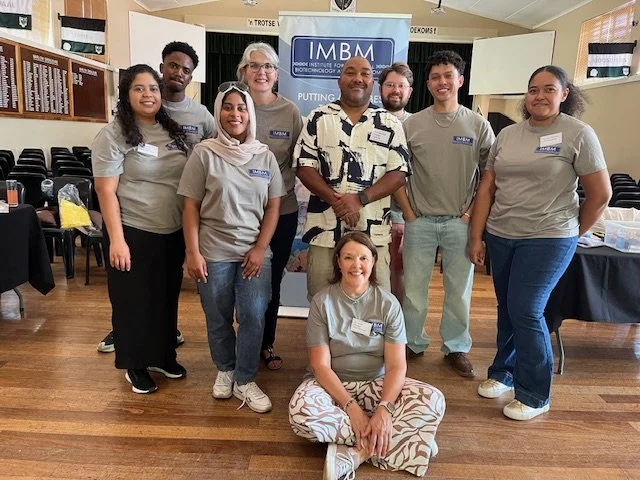
The University of the Western Cape (UWC), South Africa, recently hosted two Learner Outreaches as part of the community engagement activities of the five-partner transcontinental project funded by the Green ERA-Hub, an European-funded programme which coordinates research programmes on Agri-Food and Biotechnology (see the link Coordination of research programmes on Agri-Food and Biotechnology). The project is coordinated by Dr Anita Burger, Research and Innovation Manager at the UWC. The project investigates the use of plant growth promoting bacteria to improve crop health and yield in maize production, while decreasing the use of chemical fertilizers, which we know is a major contributor to greenhouse gas emissions. The project is of particular importance to Sub-Saharan Africa where food security is a growing concern but farmers are also under pressure to employ environmentally sustainable agricultural practices. The project includes a 100m2 field trial which is conducted at Marlow Agricultural High School (AHS) commercial farm, in Nxuba (formerly Cradock), Eastern Cape, South Africa.
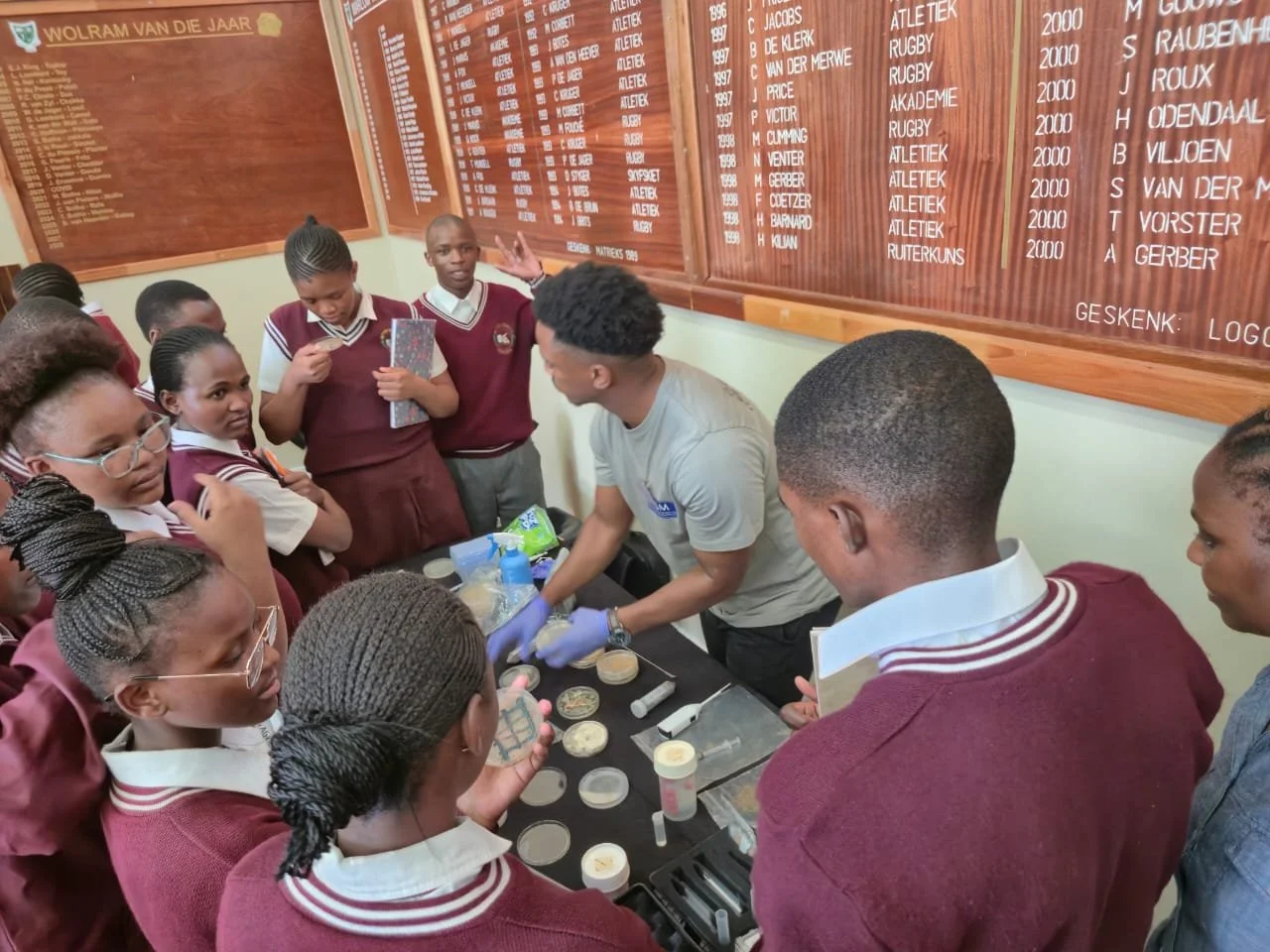
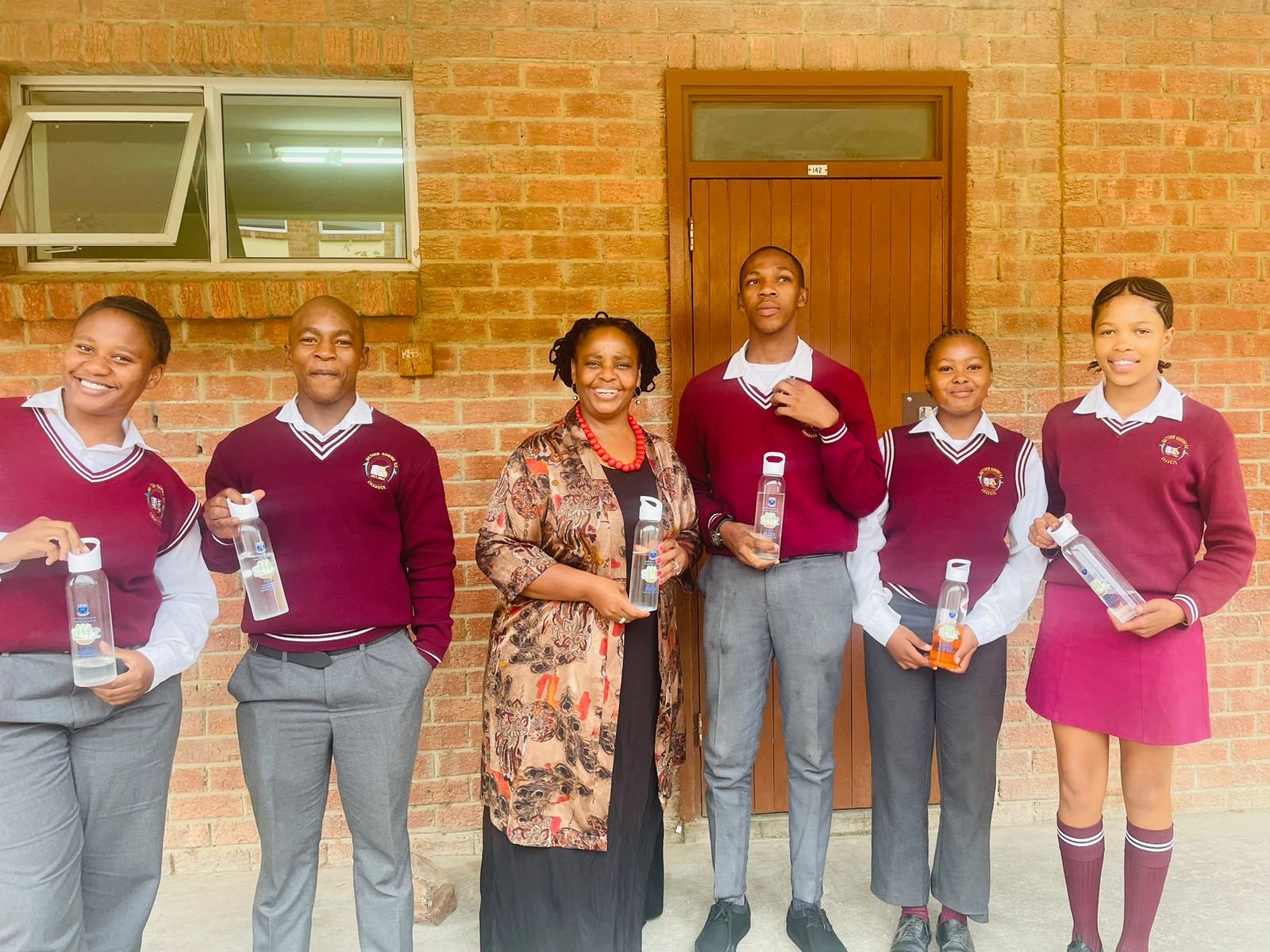
The two Outreaches was conducted at the Marlow AHS and included seventy senior Learners (Grade 11 and Grade 12) from Marlow and seventy senior Learners from the Matthew Goniwe Secondary School, also in Nxuba. Similar to Marlow AHS, the school also offers agriculture as a curriculum option. The Outreaches aimed to raise the interest of the Learners in agricultural and natural science, exposing them to the dynamic nature of the fields of biotechnology, sustainable food production, agroecology, etc. The event also aimed to provide the Learners with an opportunity to explore what lies "beyond the lab" by offering a look at the diverse professional pathways available to emerging scientists and scholars across the agri-food and biotechnology sectors.
More details about the technology and the project itself:
Soil microorganisms, including bacteria, fungi, and viruses, play an important role in keeping soil healthy. They help recycle nutrients, break down dead plant and animal material, control harmful organisms, and change nitrogen into a form that plants can use to grow. However, modern large-scale farming often relies heavily on chemical fertilisers and pesticides. These chemicals can damage beneficial soil microbes and can also be harmful to people and the environment.
Because of this, there is growing interest in farming methods that are cheaper, safer, and more environmentally friendly. Regenerative farming is an approach that works with nature to improve the health of the soil and surrounding environment. It focuses on restoring soil life, increasing biodiversity, and improving natural processes such as water and nutrient cycling. This approach helps produce healthy, nutrient-rich food while reducing environmental damage and helping to combat climate change.
This project is an example of such microorganisms can be used in regenerative farming of important African crops such as maize and legumes. As part of this project UWC is conducting a field trial in maize at Marlow Agricultural School to test whether the selected microorganisms can help the maize plants to grow better, when grown under normal and drought conditions. During the Outreach, the Learners will be introduced to microorganisms as one of South Africa’s most valuable bioresources.
More details about the technology and the project itself:
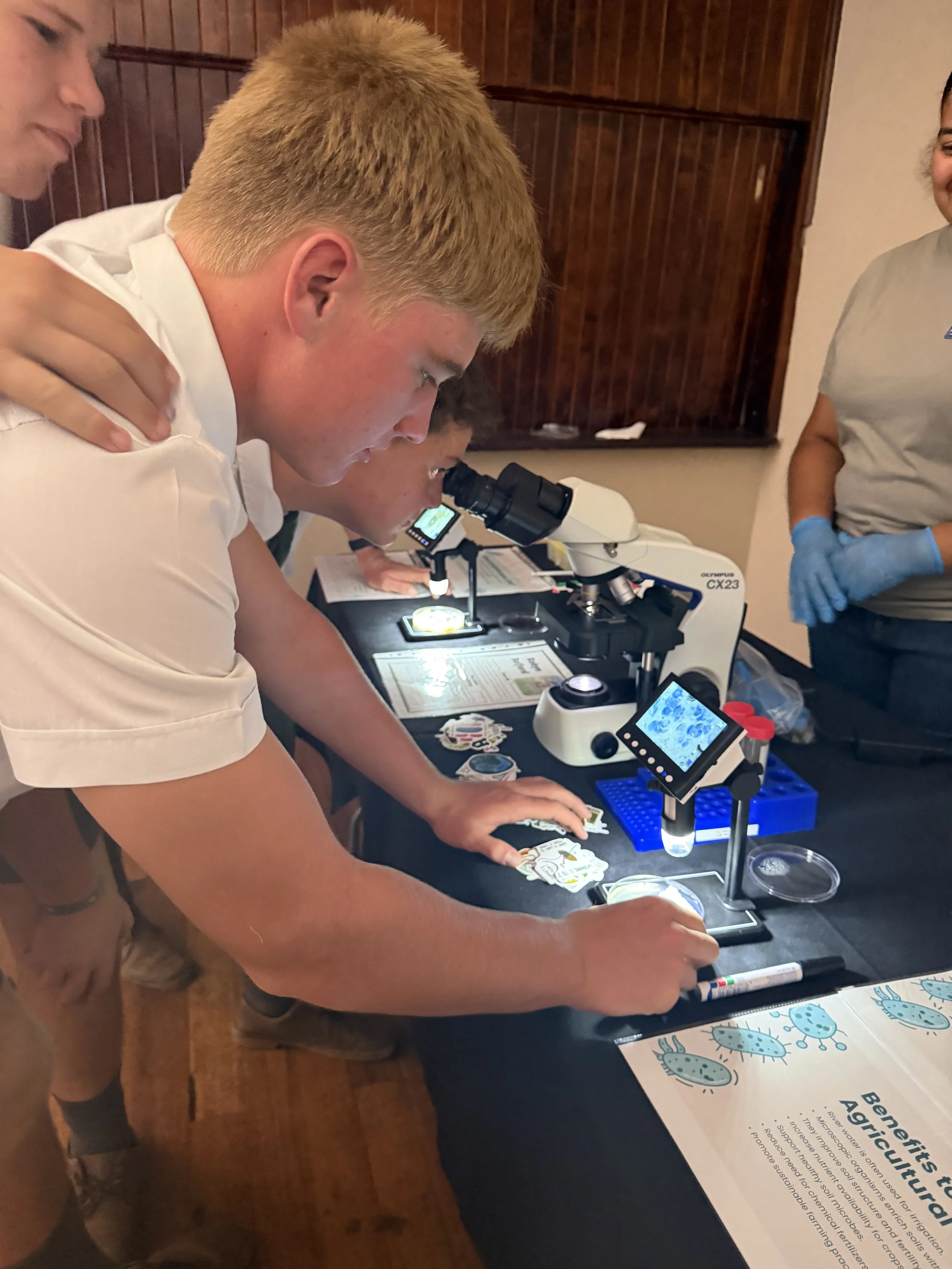
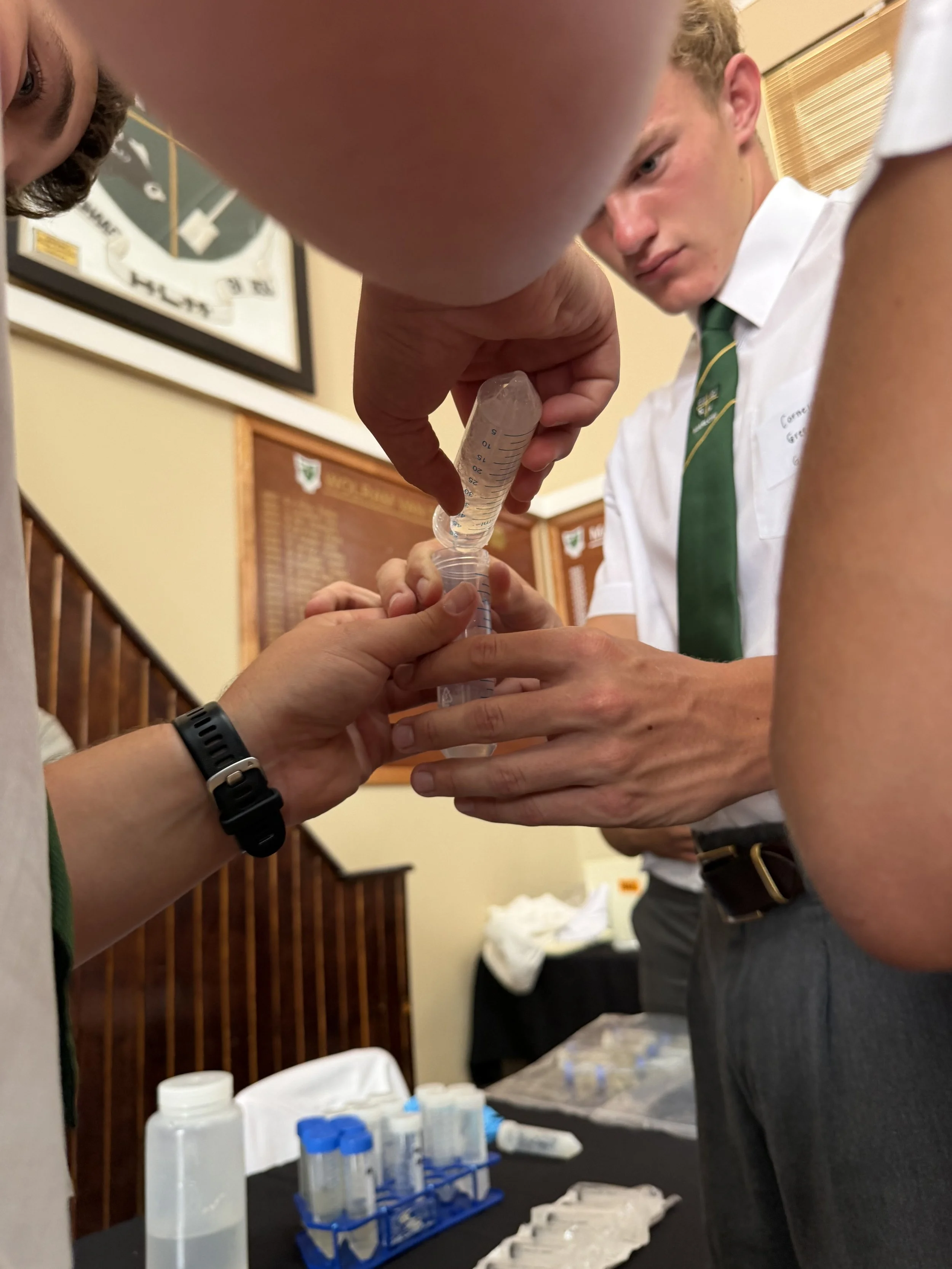
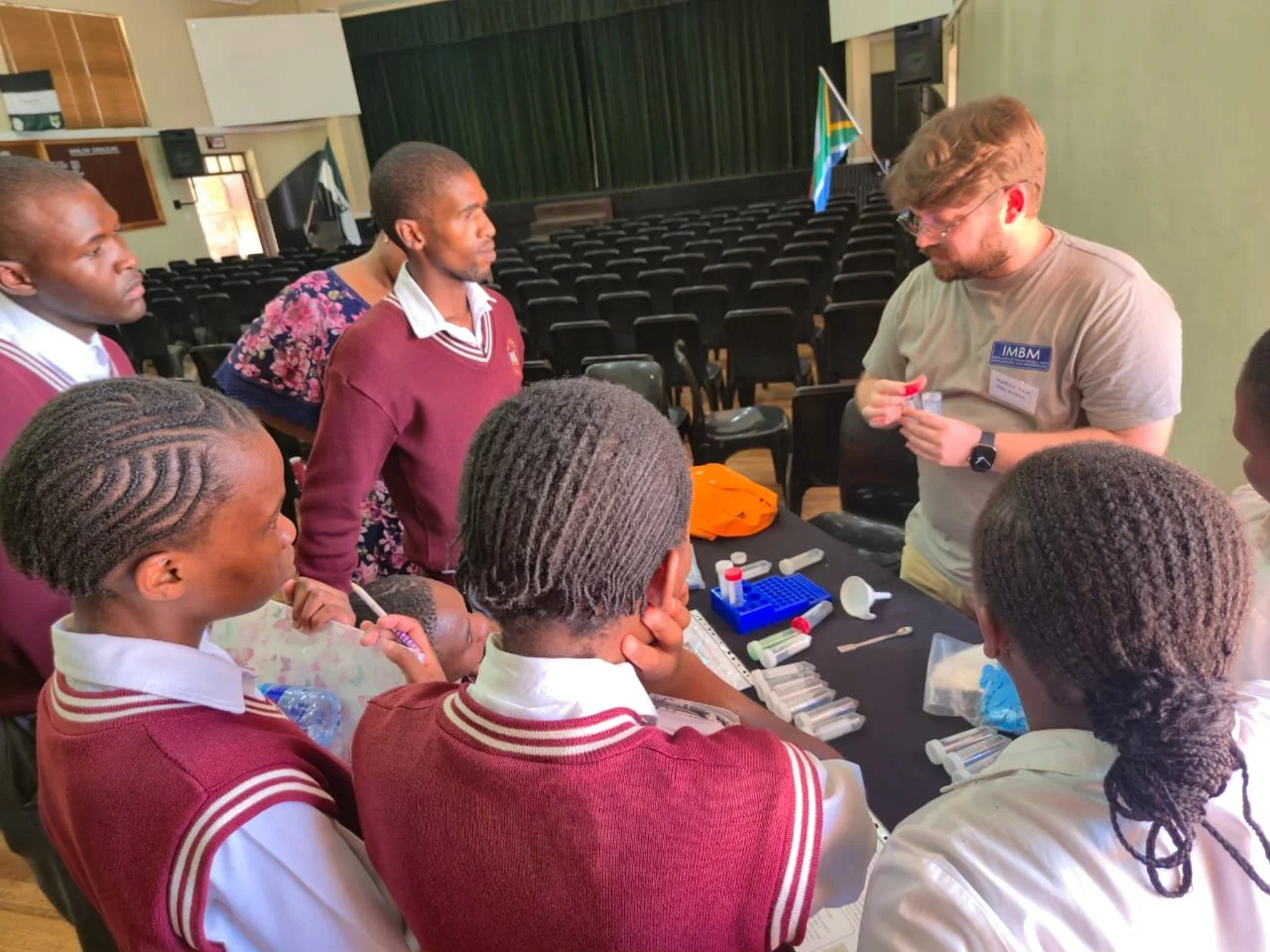
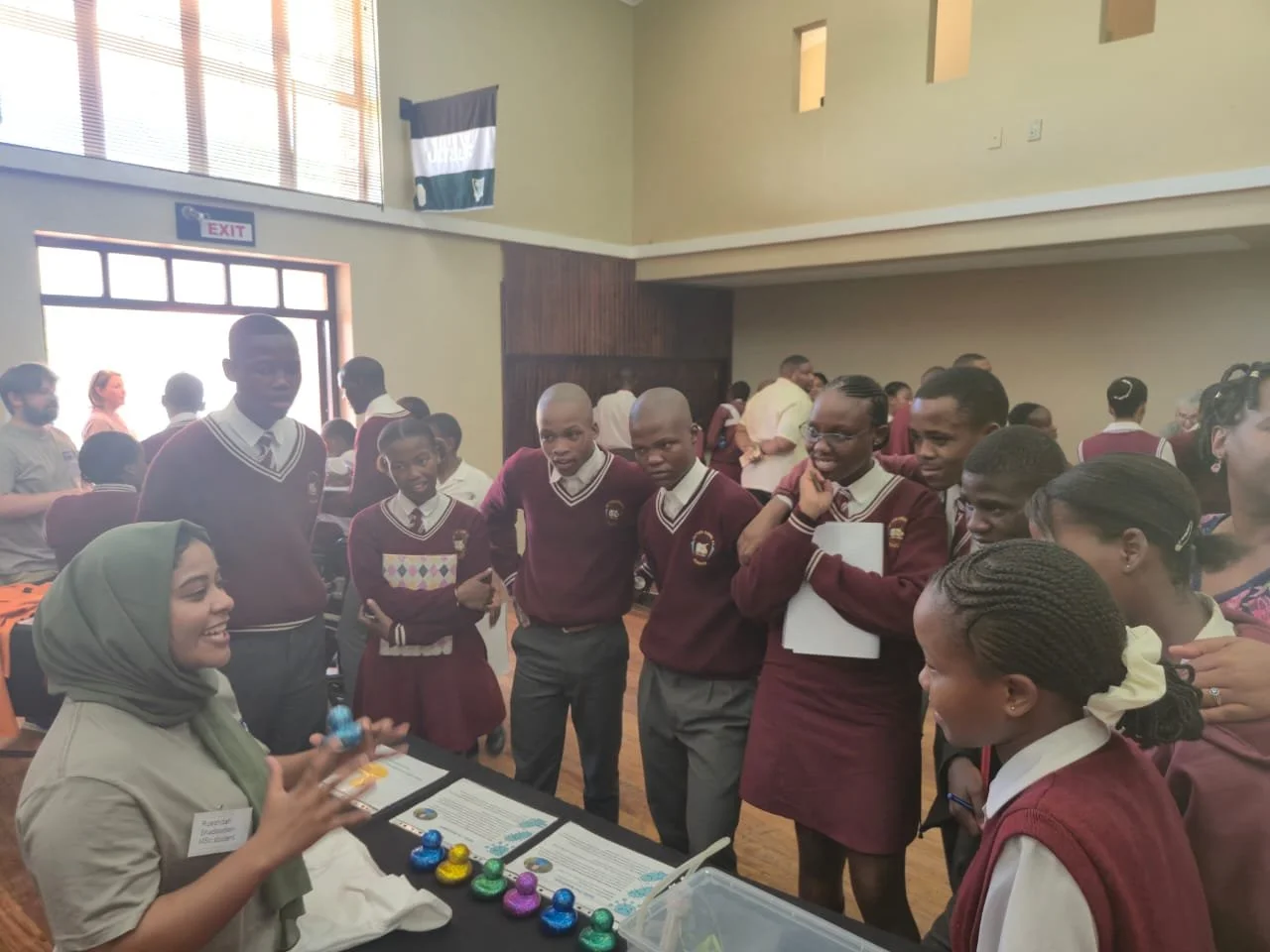
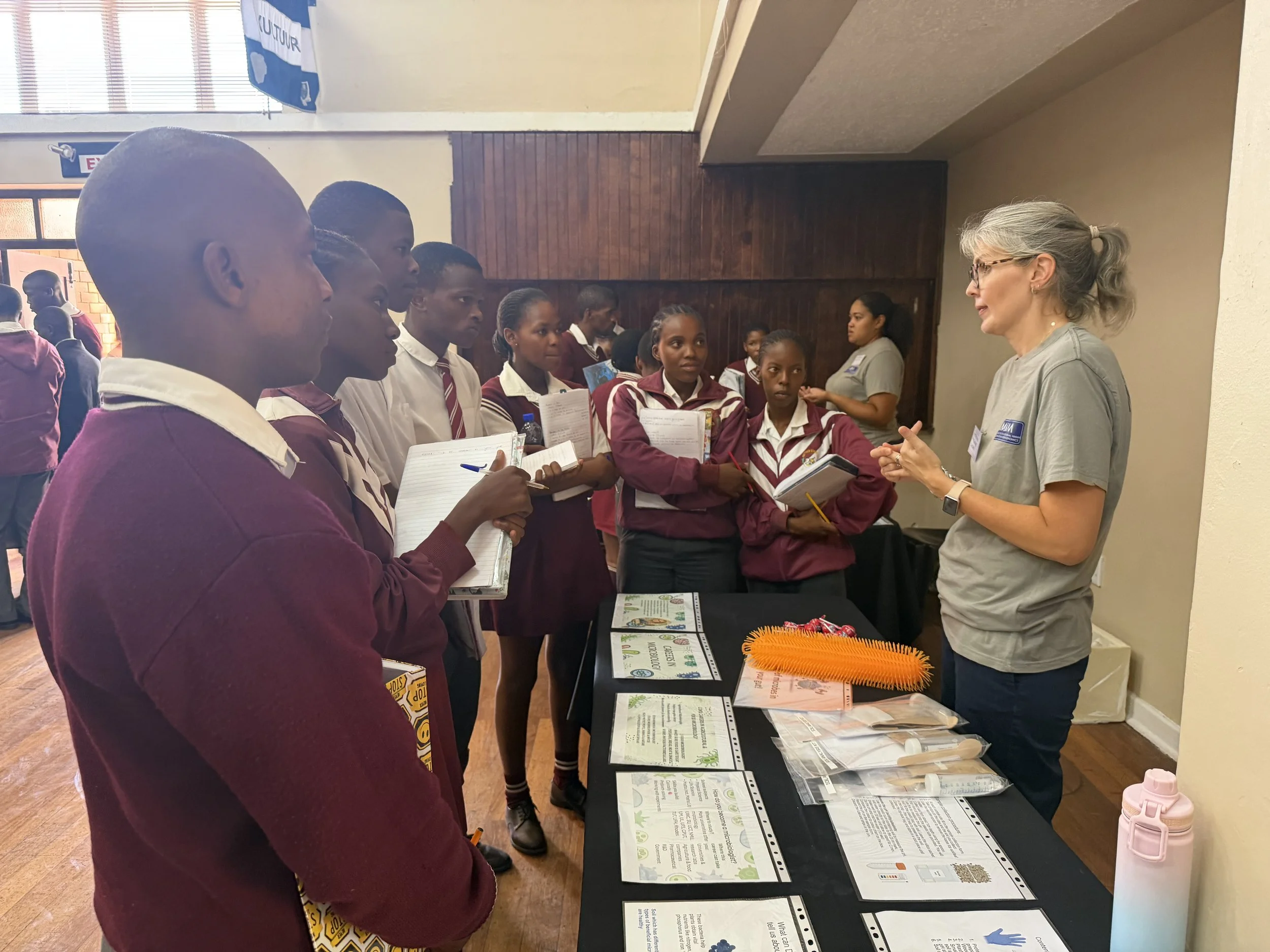
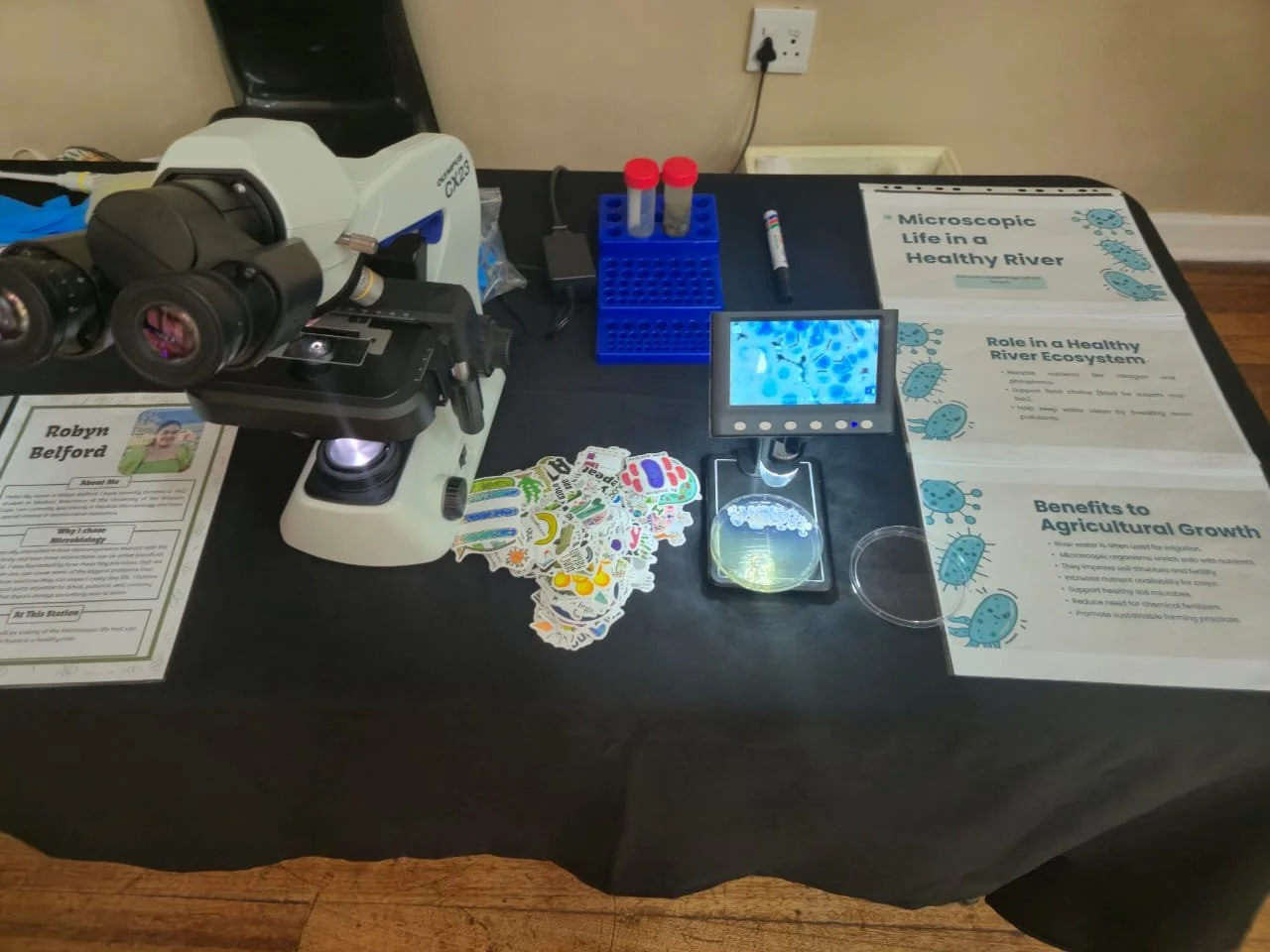
The duration of each of the Outreaches was two hours. The 70 Learners were divided into seven groups i.e. 10 Learners per group, and the groups alternated between the seven stations. Each station presented a specific technology or technique that are used in the project or in the field trial. Activities included fairly simple experiments that are used to demonstrate the presence and the diversity of the microorganisms in soil and how they support plant growth. The activities were planned to be as interactive as possible. One of the stations were about study options and potential careers in microbial biotechnology. The UWC postgraduate students and Junior Researchers shared their decision to study natural sciences after matric, the availability of postgraduate studies to specialise in a particular field and their work experience as early career scientist.
Both Outreaches were highly successful and despite the events being after a normal school day, the Learners were engaged and asked really interesting questions. The Head of Departments from both schools were interested in options to roll this out on an annual basis.