CROP BOOSTERS project update for the 1st year
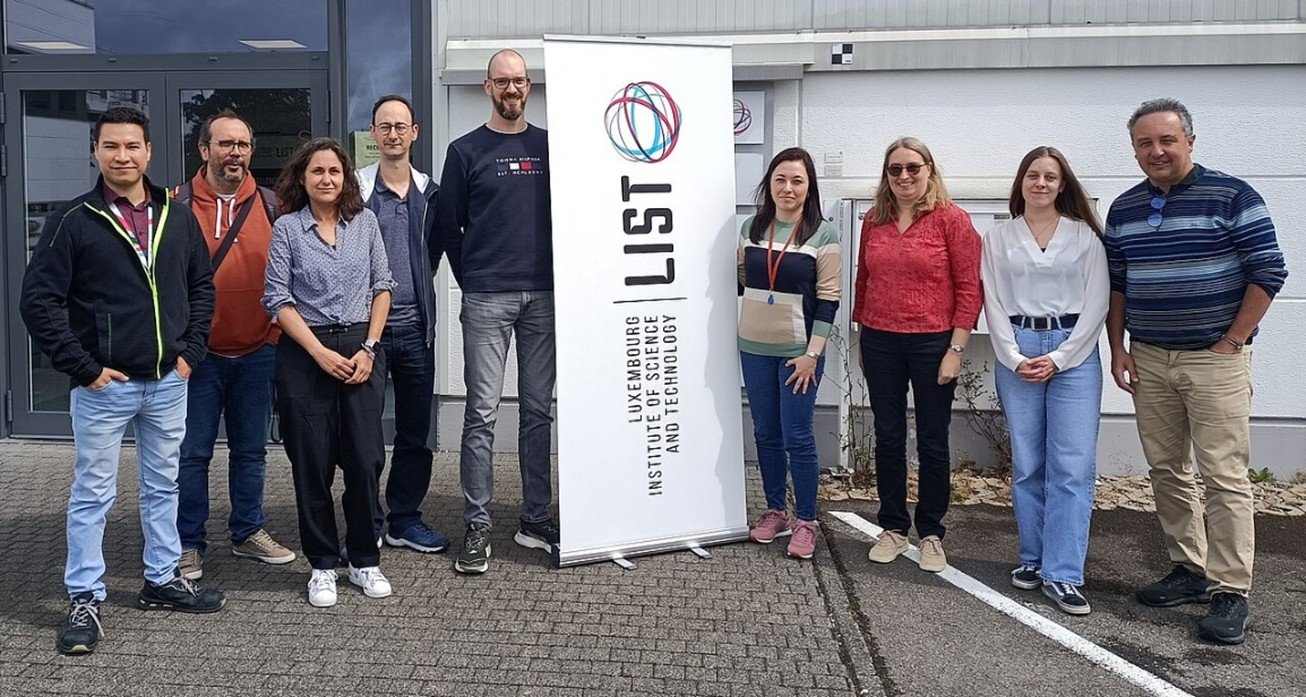
The project was officially launched with a kick-off meeting held in June 2025 (Figure 1), where all partners were present either in person or in remote. The work package leaders presented the structure of the work plan, outlining the different work packages and their respective tasks, milestones and deliverables. This initial gathering set the basis for a coordinated effort and established a shared understanding of the project’s objectives and methodological approach.
Over the course of the first year, progress has been achieved across multiple work packages. Within WP2, suspension cultures of two cell lines were successfully scaled up in bioreactors (Figure 2). From these cultures, extracts were prepared, characterized from a metabolomic point of view, and subsequently shipped to the partner in Belgium (UCL). There, preliminary assays were carried out to identify suitable concentrations and optimal application strategies on plants.
In parallel, WP3 focused on conducting morphological and basic physiological analyses on tomato plants under greenhouse conditions (Figure 3), which contributed to refining the selection of effective concentrations for subsequent applications.
WP4 advanced the experimental work (Figure 4) by identifying and cultivating the two most promising cyanobacterial communities. These were applied to tomato plants subjected to water stress, and samples were collected for further physiological and molecular analyses, which are currently underway.
WP5 concentrated on proof-of-concept experiments, successfully demonstrating the feasibility of isolating extracellular vesicles from the conditioned media of two plant cell lines. At the same time, efforts were initiated to optimize protocols for processing larger volumes derived from stirred tank bioreactors.
Beyond the scientific and technical activities, dissemination efforts have also been initiated. The project website has been developed (https://www.cropboosters.eu/) and is now online, providing visibility and access to key information. Furthermore, the project has already been presented to the scientific and industrial community, including an oral presentation at Biostimulants Europe 2026 and a participation in BIOKET 2026 with a dedicated roll-up (Figure 5).
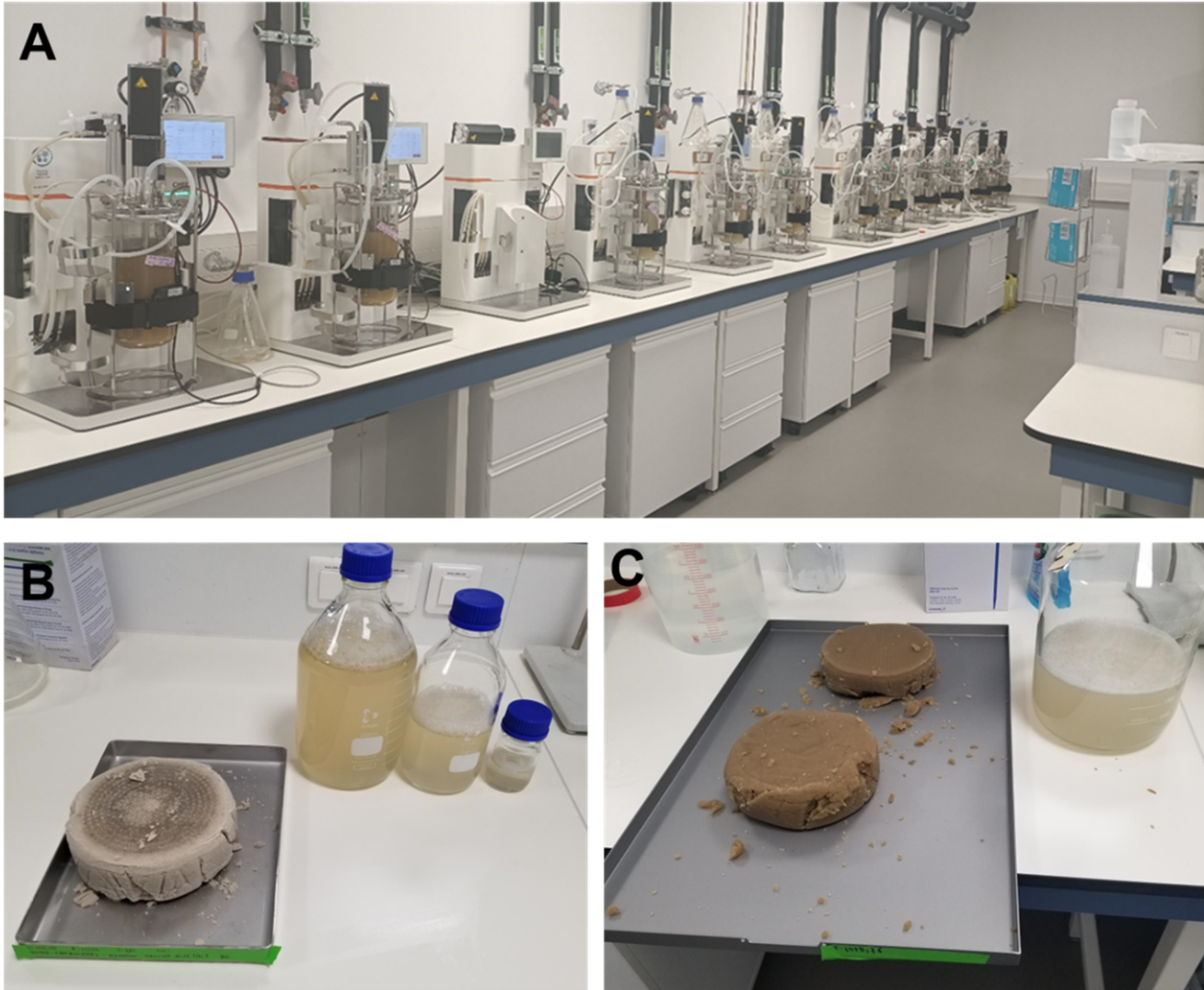
Figure 2: Plant cell culture cultivation in stirred-tank bioreactors at LIST (A); cell cakes retrieved prior to downstream extraction (B and C).
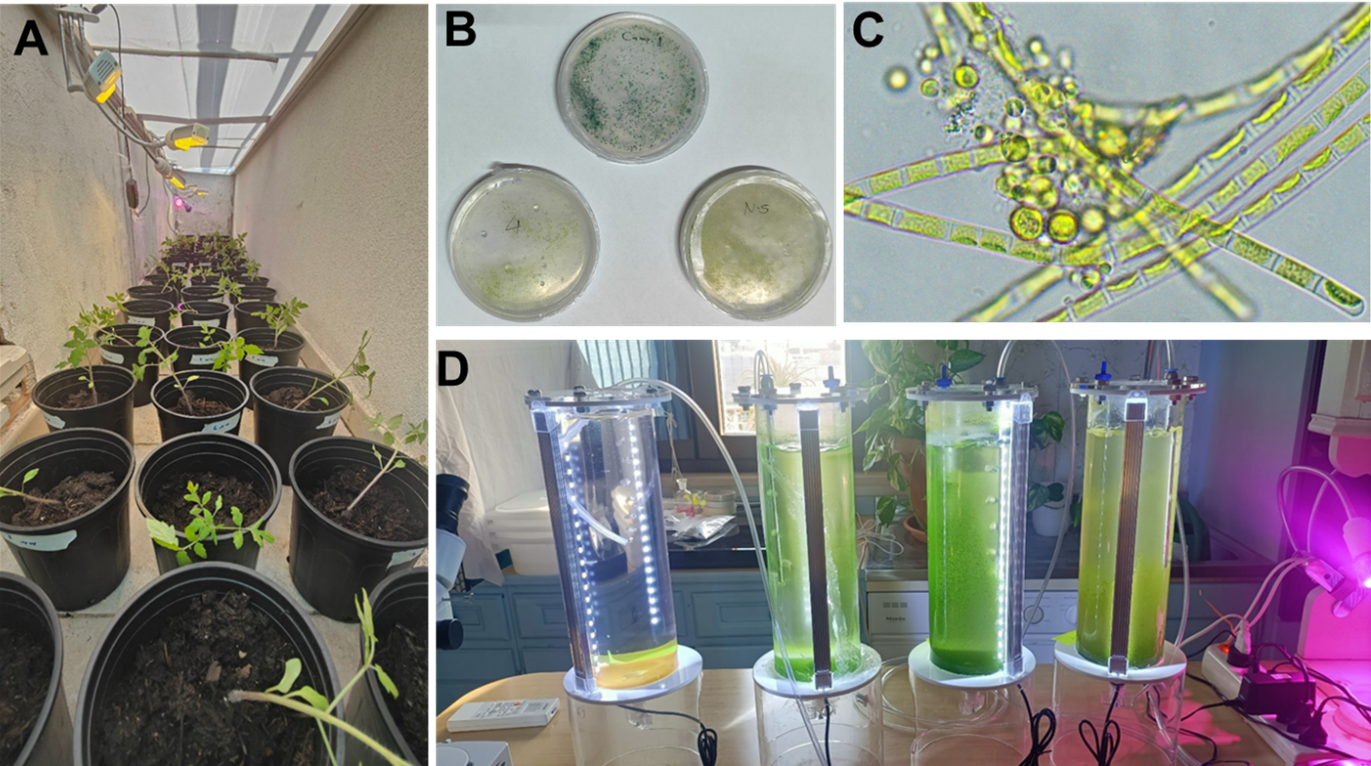
Figure 4: Tomato cultivation under controlled conditions at UNIBAS (Italy) (A); culture of terrestrial cyanobacterial communities on Petri plates (B); microscope pictures of terrestrial cyanobacteria (C); bioreactors for the cultivation of terrestrial cyanobacteria at UNIBAS (D).
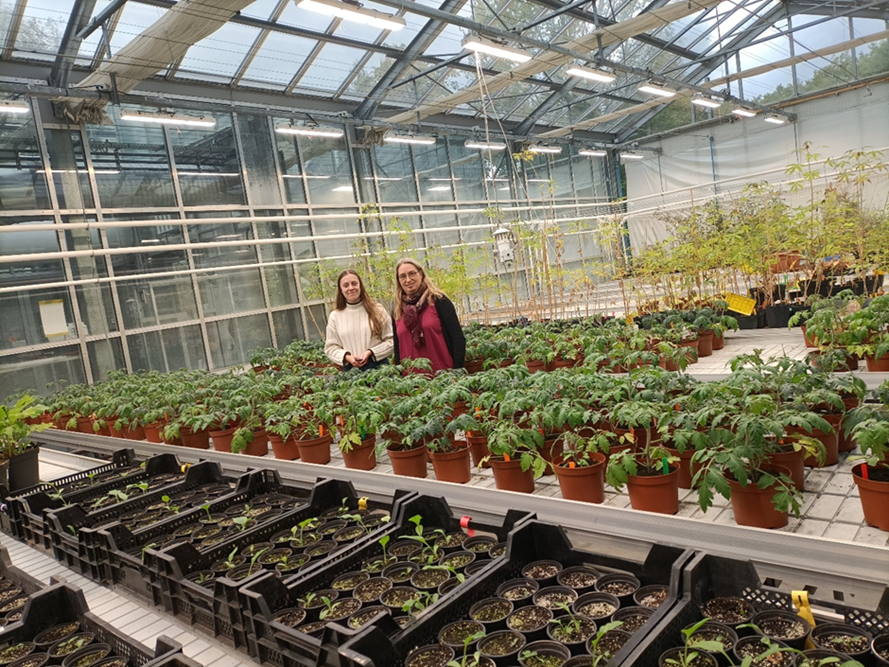
Figure 3: Tomato cultivation in the greenhouse facilities at UCL (Belgium). M. Annet on the left, Prof. M. Quinet on the right.
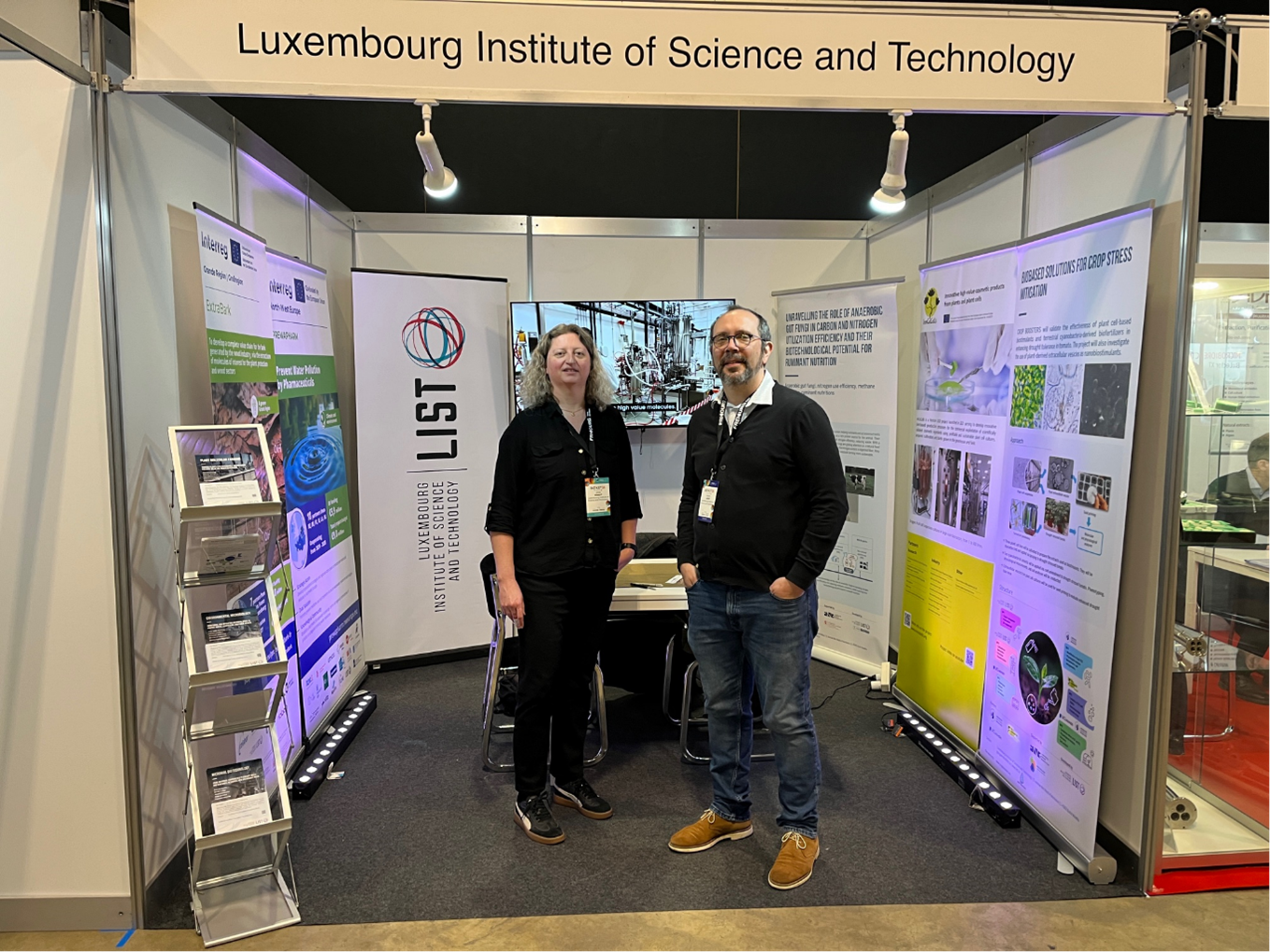
Figure 5: LIST booth (Dr. J. Renaut on the left, Dr. S. Legay on the right) at BIOKET 2026 with CROP BOOSTERS roll-up (first on the right).