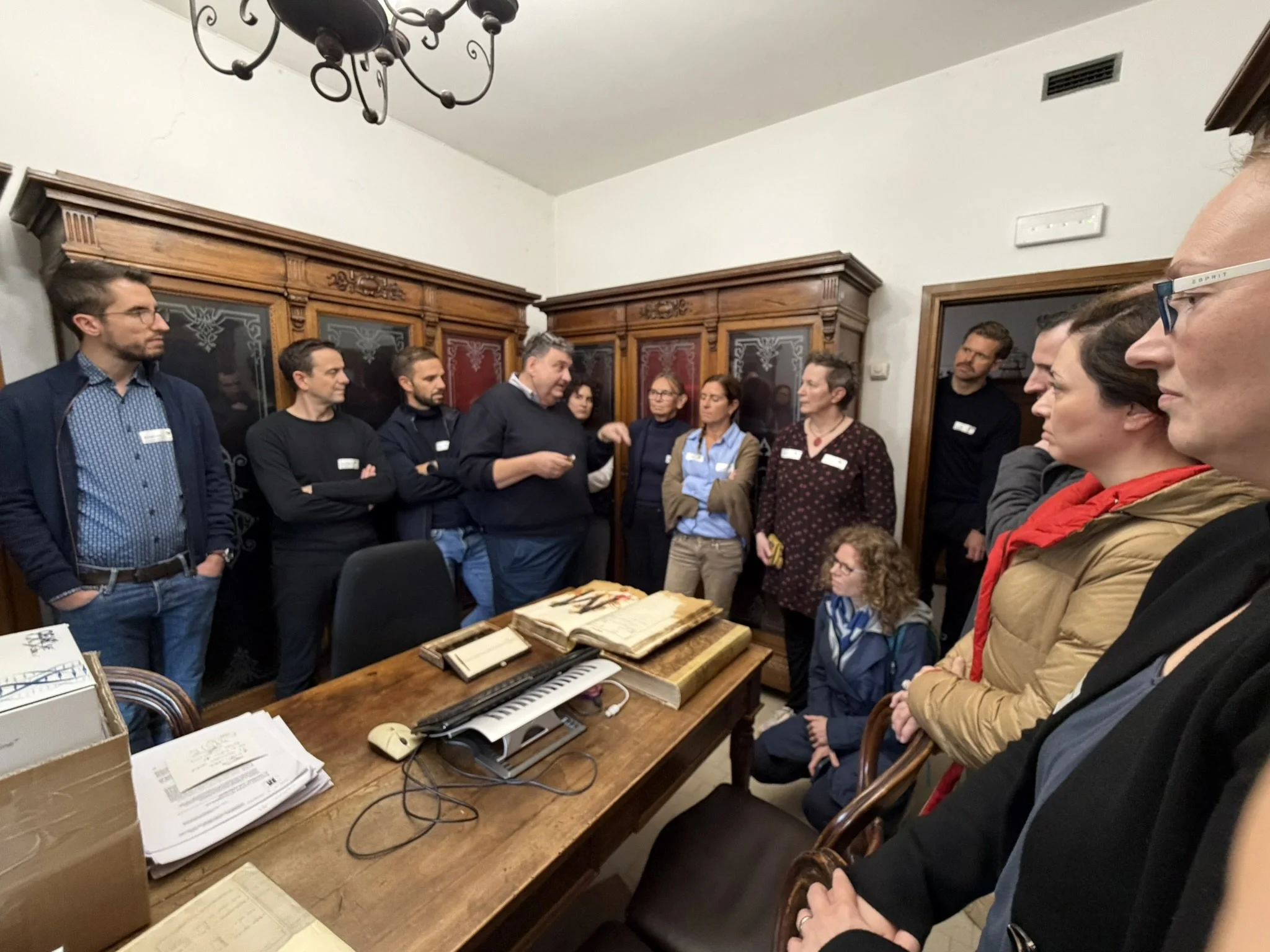
Green ERA-Hub projects come together in Florence to share results, experiences and future perspectives
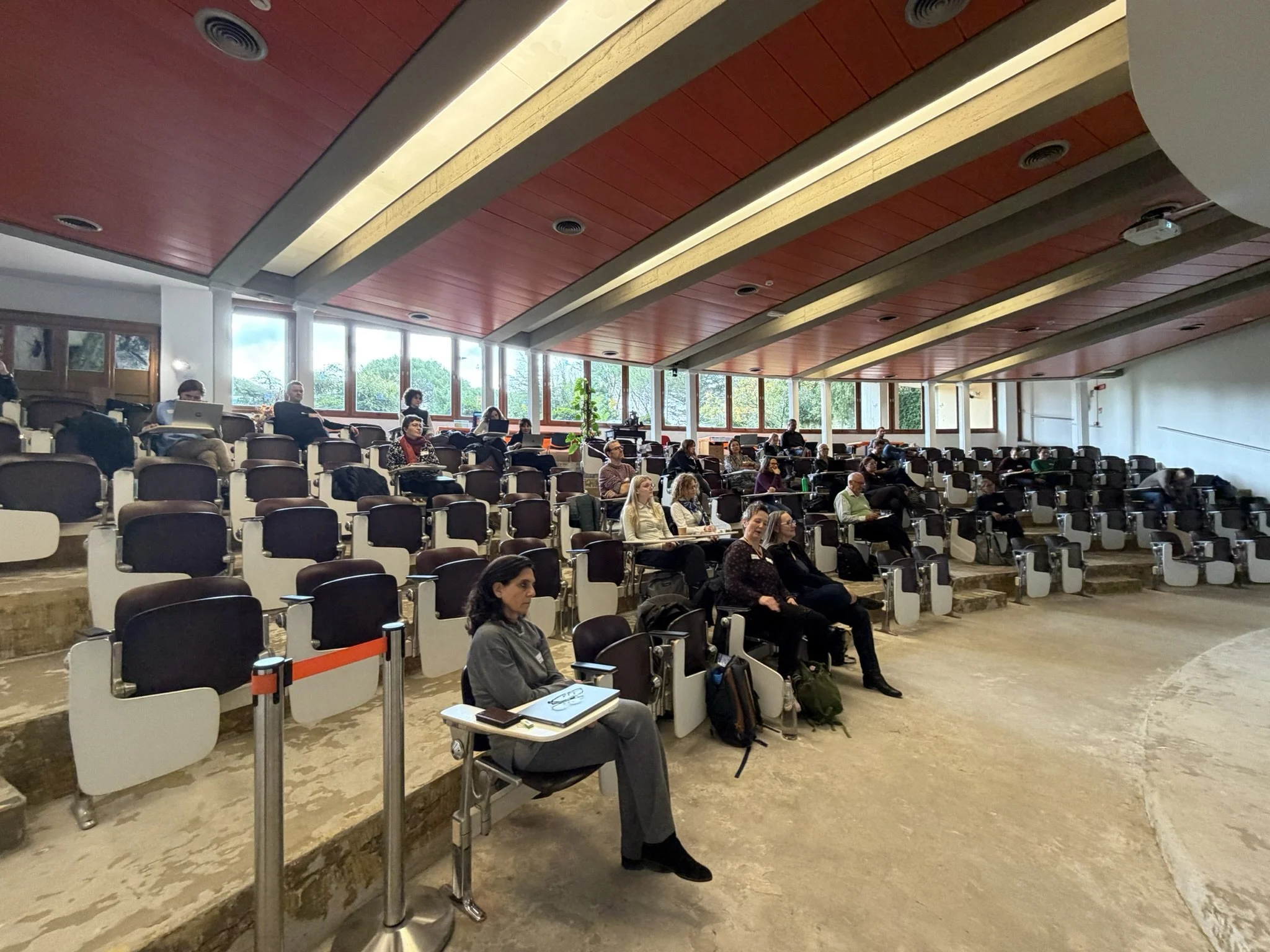
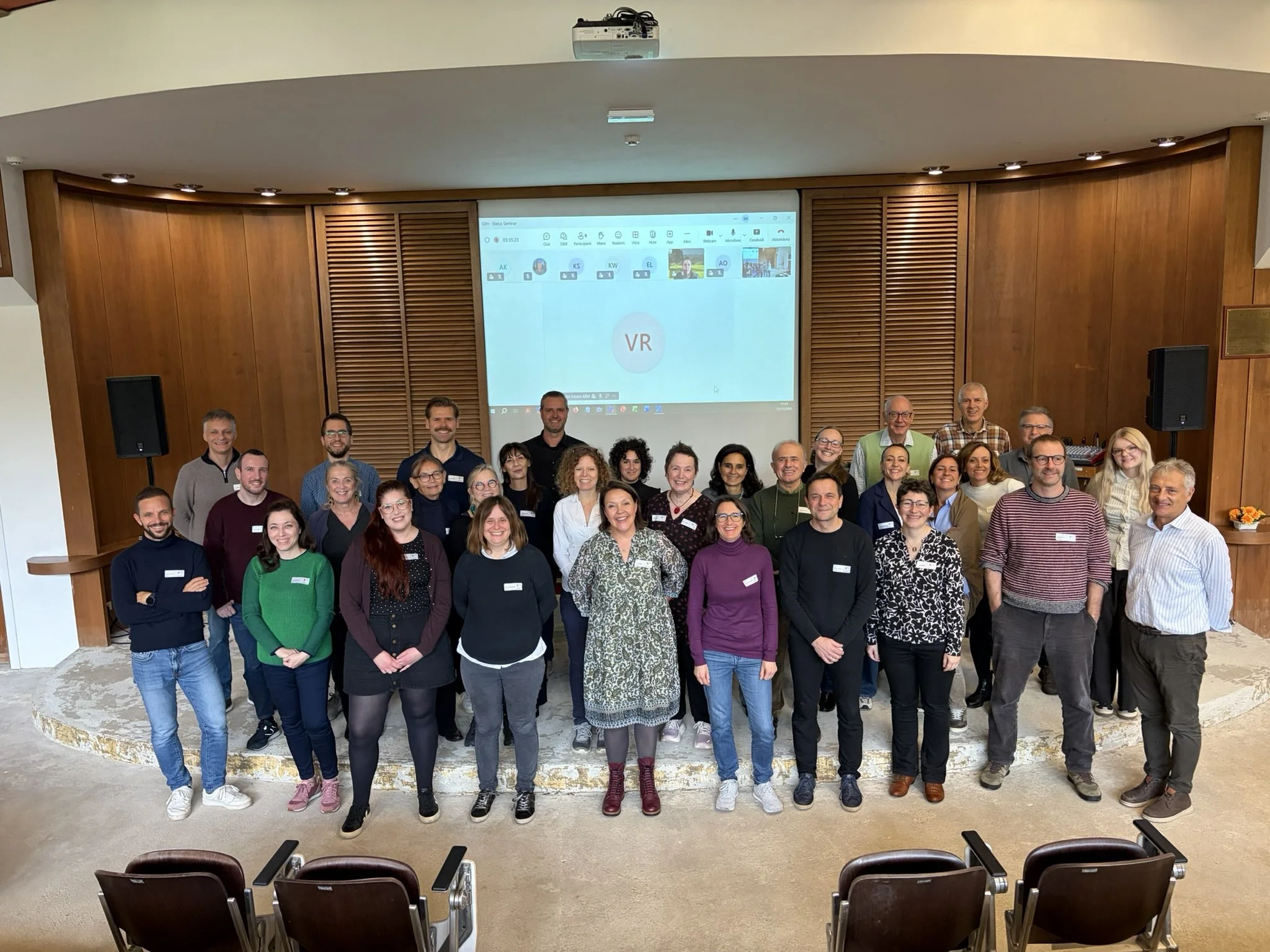
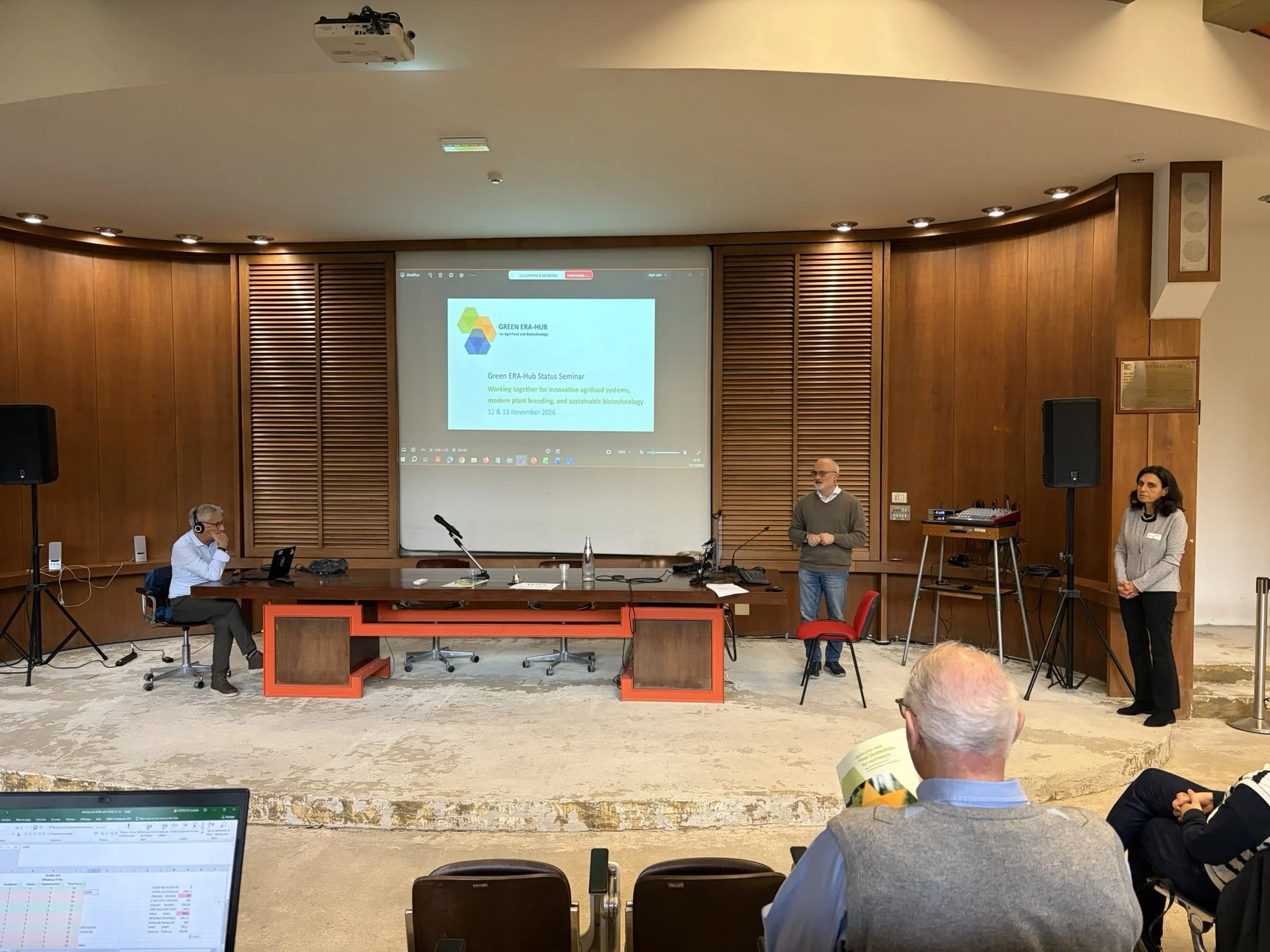
On 12 and 13 November 2026, the Green ERA-Hub community gathered in Florence for its Status Seminar. The two-day hybrid event brought together projects from all three Green ERA-Hub Joint Calls to share progress and results, exchange experiences and explore opportunities for future collaboration.
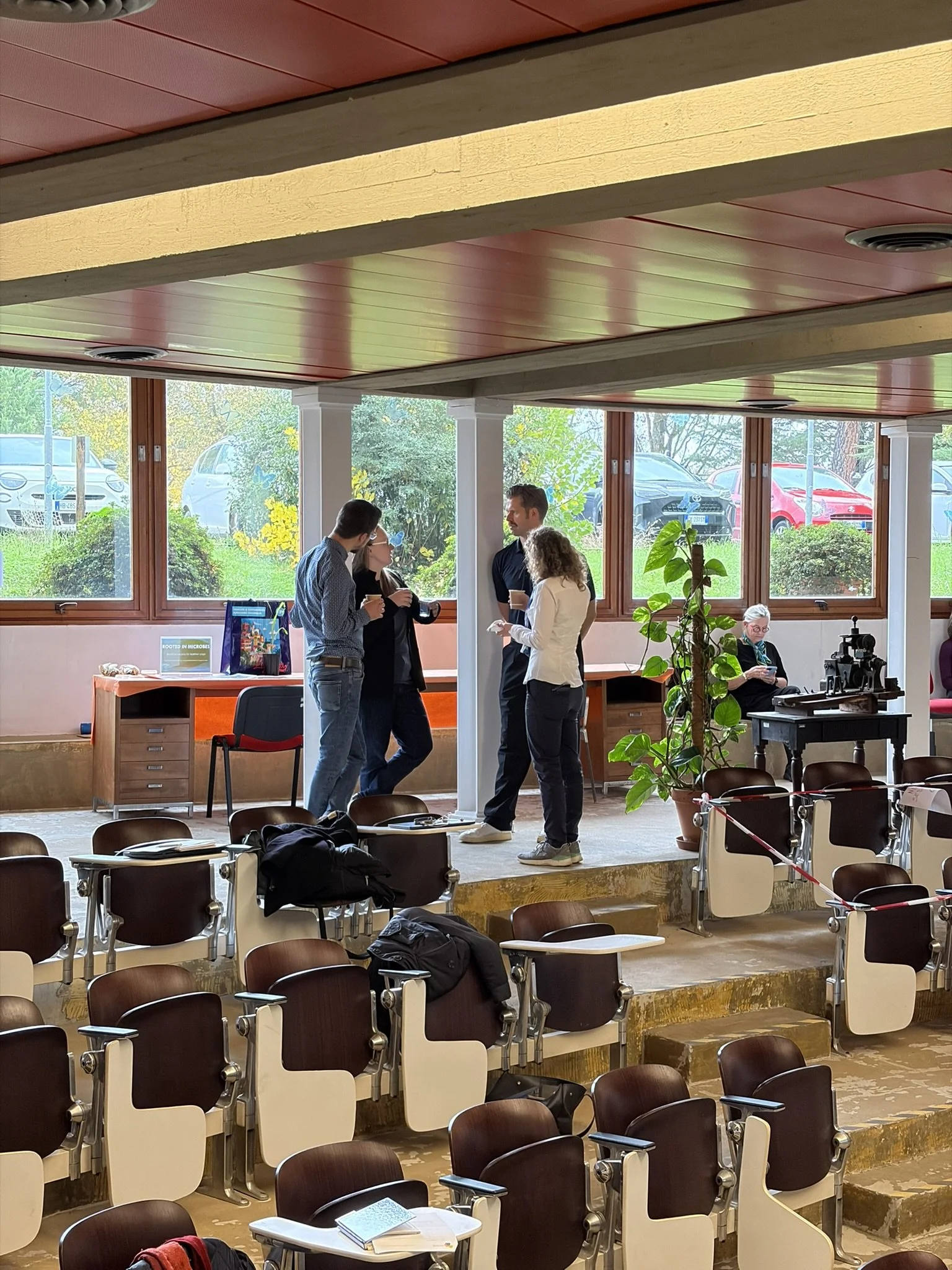
Hosted at the CREA Research Centre for Agriculture and Environment, the seminar brought together projects at different stages of their journey. Call 1 projects reflected on their final results and lessons learned, Call 2 projects presented their progress and initial results, while the recently launched Call 3 projects introduced their objectives and planned activities. The programme combined project presentations and pitches with interactive Walk & Talk sessions, giving participants the opportunity to exchange ideas, discuss challenges and make new connections across projects and calls. Participants were encouraged to explore opportunities for sharing expertise, data and methods and for continuing collaboration beyond their current projects.
The programme also looked beyond the current projects. The session What Funding Enabled reflected on lessons from SusCrop and SUSFOOD2–CORE Organic, highlighting the value of transnational research collaboration and lessons for future initiatives.
The seminar concluded by looking ahead to future funding opportunities within the European Partnerships, connecting the experiences and results of the Green ERA-Hub projects with possibilities for future cooperation.
As Green ERA-Hub approaches its final stage, the seminar highlighted the value of bringing different project generations together and ensuring that knowledge, experiences and connections continue beyond the lifetime of the initiative.
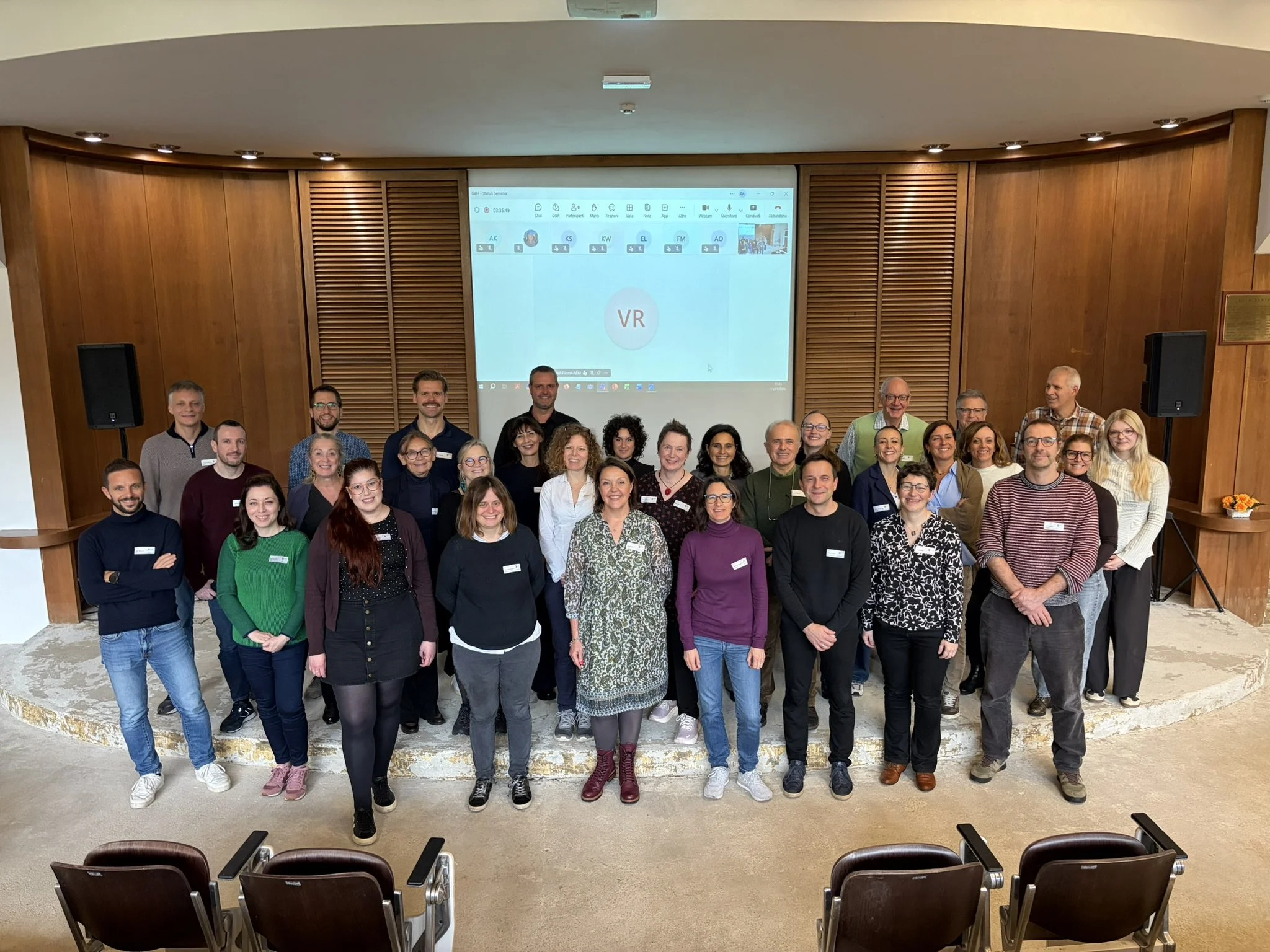
Looking ahead - Beyond sharing project results, the Status Seminar was about connecting people and ideas. Participants valued discovering other projects, exchanging experiences and building new professional connections, with several identifying opportunities for future collaboration.
These connections are an important part of the Green ERA-Hub legacy, helping knowledge and collaboration continue beyond the initiative itself.
Day 1 -Project Presentations & Pitches
Watch the Project Presentations & pItches on You Tube here
NUTRISTORM (Call 1) by Achim Schmalenberger
NutriSTORM investigates how soil nutrients, microorganisms and plant roots affect nutrient availability, soil functioning and carbon storage. It tests bio-based fertilisers, including dairy processing sludge and insect frass, as alternatives to mineral fertilisers.
Results so far show that some treatments can achieve yields comparable to conventional fertilisers, depending on fertiliser type and C:N ratio. Further analyses will assess nutrient cycling, microbial communities and greenhouse gas emissions to better understand their effects on soil and crop performance.
LIFE (Call 1) by Maria Rita Palatella
The LIFE project develops climate-resilient, water-efficient and sustainable agri-food systems, with a focus on recovering nutrients from animal manure for use in hydroponic farming and reducing reliance on synthetic fertilisers.
The project combines nutrient recovery with IoT monitoring, digital twins and decision-support tools to optimise greenhouse conditions, irrigation and nutrient management. Pilot experiments are validating the approach, while economic and environmental assessments evaluate its viability and potential for wider adoption.
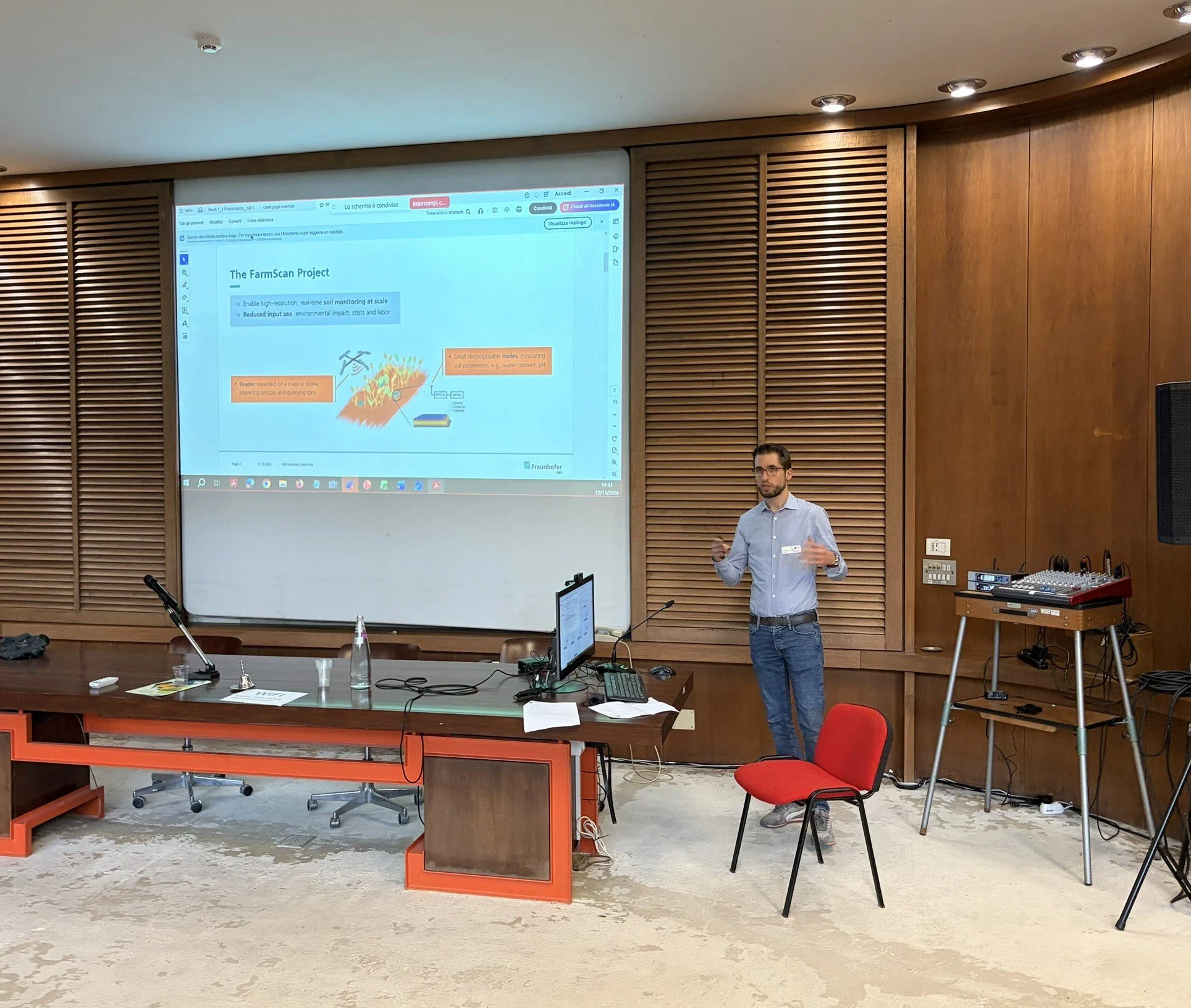
Farmscan (Call 2) - By Benedikt Loepp
The FarmScan project aims to enable high-resolution, real-time soil monitoring using small, decomposable sensor nodes, with the goal of reducing inputs, environmental impact, costs and labour.
The project has progressed in material selection, decomposition testing, life cycle assessment and transponder design. A first decomposable transponder prototype, reader station and data dashboard have been developed, while initial tests show promising environmental benefits.
The next phase will focus on long-term field testing under real soil conditions. Further LCA and AI development will follow once sufficient field data are available.
AGROSOIL (Call 2) - by Anja Klotzsche
AGROSOIL aims to improve soil management under climate extremes using agrogeophysical methods, IoT sensors and AI modelling.
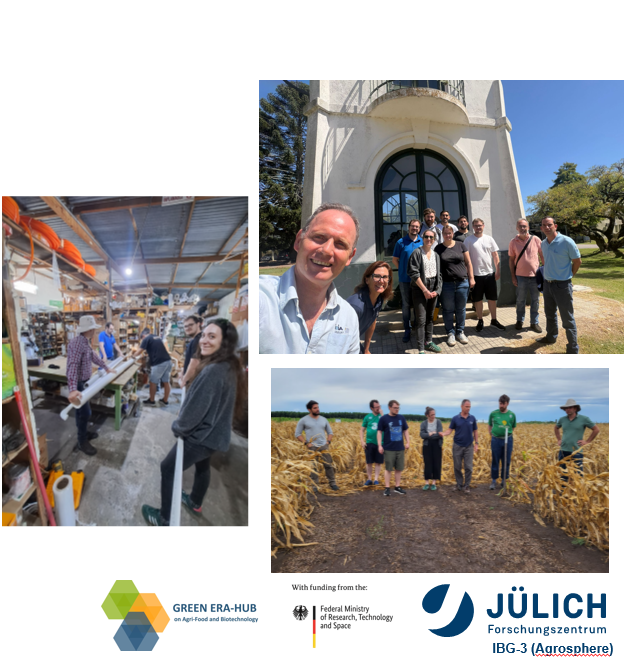
Field trials in Germany, Ireland and Uruguay have produced initial results on soil classification and multi-sensor mapping. Further work focuses on nitrate effects, crop performance, compaction and irrigation, with the next steps involving long-term field monitoring and integration into AI-based decision-support tools.
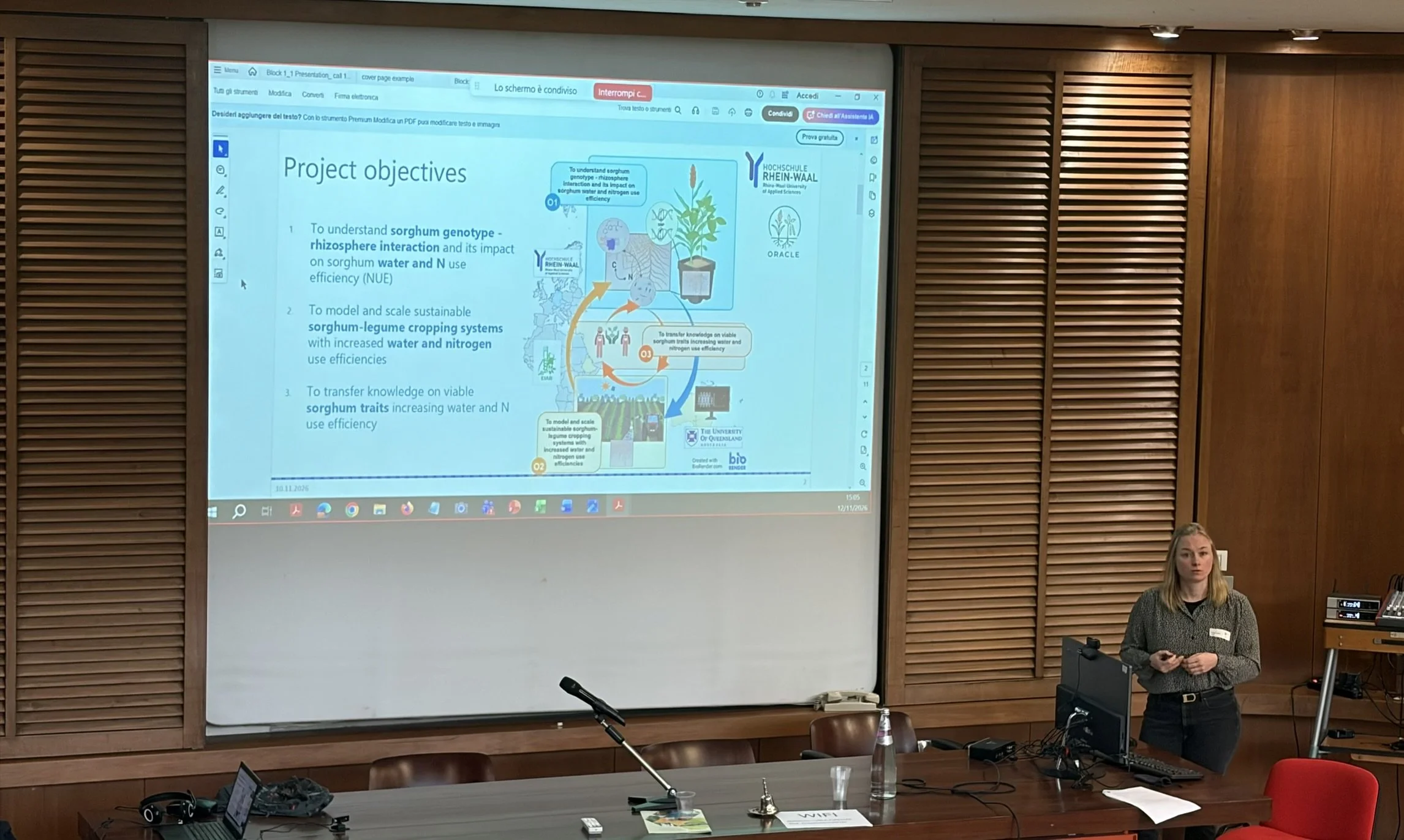
ORACLE (Call 2) - by Nathalie Laibach
ORACLE aims to improve drought resilience in sorghum–legume intercropping by studying root traits and rhizosphere interactions affecting water- and nitrogen-use efficiency.
Root phenotyping, molecular analyses and pilot experiments are ongoing, with field validation planned. A training in Ethiopia strengthened collaboration, and exchanges with other Green ERA-Hub projects have started. Next steps focus on field trials, stakeholder engagement and knowledge exchange.
LeFaSus (Call 1) - By Jörg Peter Baresel
LeFaSus investigates soil fatigue in legume cultivation to support the sustainable expansion of grain legumes in Europe. The project combines farm data, field assessments and soil and root analyses from 80 farms across four countries, complemented by long-term rotation experiments.
Data integration and analysis are ongoing, using statistical and machine-learning approaches to identify links between soil, farm management and crop health. Next steps focus on understanding soil fatigue and identifying sustainable crop rotation strategies.
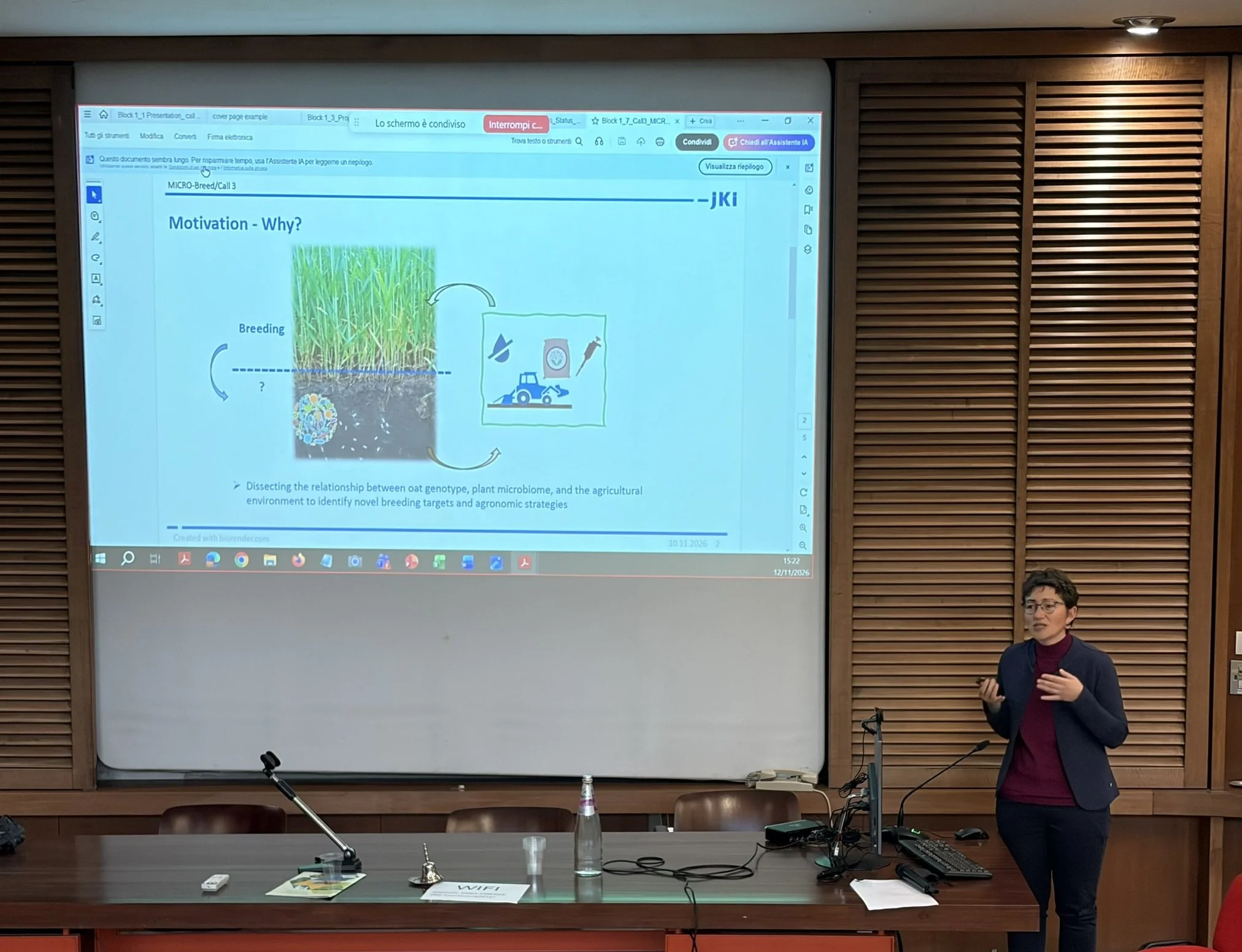
MICROBREED (Call 3) - By Doreen Babin
MICRO-Breed investigates how oat genotype, plant microbiome and agricultural environment interact to identify new breeding targets and strategies for more resilient crop production. The project combines research on microbial interactions, plant traits, bioinoculants and genotype–environment effects.
Data integration will identify microbiome-informed breeding targets and assess whether bioinoculants can improve nitrogen-use efficiency and reduce inorganic nitrogen inputs. The project aims to support more stable yields and crop improvement under low-input systems.
BREED-WISE (Call 3) - By Christian Hermans
BREED-WISE aims to develop wheat varieties that maintain stable yields with less nitrogen fertilizer and water by incorporating belowground traits into breeding strategies.
The project combines laboratory studies, field trials in Germany, Luxembourg and the UK, and genomic approaches to investigate root traits, mycorrhizal associations, drought and nitrogen-use efficiency. The results will support breeding markers and root-informed wheat varieties requiring fewer inputs.
‘What Funding Enabled’ - Lessons from SusCrop 1–4 and SUSFOOD2–CORE Organic
The session What Funding Enabled brought together findings from evaluations of from SusCrop 1–4 and the SUSFOOD2–CORE Organic 2019 Joint Call. Looking back at these transnational research initiatives, the session explored what the funding enabled, the added value of international collaboration, and the challenges of translating research results into wider impact.
The evaluations covered research ranging from sustainable crop production, breeding and climate resilience to resource-efficient and circular food systems, food diversity and mild food processing. Together, they provided valuable lessons for future transnational research and funding initiatives.
Expert Evaluation Report: ‘From Research Achievements to Potential Impact: Evaluation of Four Transnational Calls’
KEY FINDINGS:
SUSFOOD2–CORE Organic key findings - By Sirpa Kurppa
The evaluation highlighted the value of transnational and multidisciplinary collaboration in strengthening research networks, scientific evidence and research capacity. Projects also generated practical outputs with potential relevance for stakeholders, markets and policy, including guidelines, LCA tools and policy-relevant research.
At the same time, translating research results into wider uptake remained challenging. Commercial uptake and policy engagement were still limited, while exploitation strategies, validation and scale-up often required further development. The evaluation therefore stressed the importance of involving stakeholders earlier through co-design and co-creation and developing clearer pathways towards implementation and market uptake.
Other priorities for future initiatives included stronger systems assessment, post-project support, and FAIR and reusable data. A Policy Advocacy Group at programme level was also proposed to strengthen links between research evidence and policy dialogue.
SusCrop key findings - By Peter Gregory
The SusCrop evaluation demonstrated strong scientific and practical outputs. Across four calls, projects produced 273 academic publications alongside outputs such as new crop varieties and genetic material, pest control approaches, greenhouse gas assessment models and software tools.
The evaluation also showed a growing emphasis on interdisciplinarity and systems thinking, while highlighting challenges in moving from research results to practical implementation. Routes to market or policy were not always clearly defined, and stakeholder engagement did not necessarily translate into direct influence on decision-making.
Key recommendations included planning stakeholder engagement purposefully, establishing robust FAIR data-management practices, and considering users and routes to implementation from the start of a project.
Discussion: The presentations were followed by a short discussion on how research impact should be understood and the time it can take for results to translate into practice. The exchange highlighted the importance of considering pathways to uptake throughout the research process and the support that may be needed beyond the lifetime of individual projects.
Watch the session ‘What funding enabled’ on You Tube here
DAY 2 - Project Presentations & Pitches
Watch the Project Presentations & Pitches (1-6) on You Tube here en Presentations & Pitches (7-11) here
Fertigo (Call 1) - By Cécile Thonar
FertiGO aims to improve nitrogen and phosphorus use efficiency through service plants, particularly plantain. Promising genotypes have been identified and are being tested in different cropping systems.
Preliminary results suggest potential environmental benefits, including reduced nitrification and nitrogen losses, but no clear agronomic benefit has yet been demonstrated. In some cases, plantain reduced cereal yields, highlighting the need to optimise its use. Further trials and analyses are ongoing.
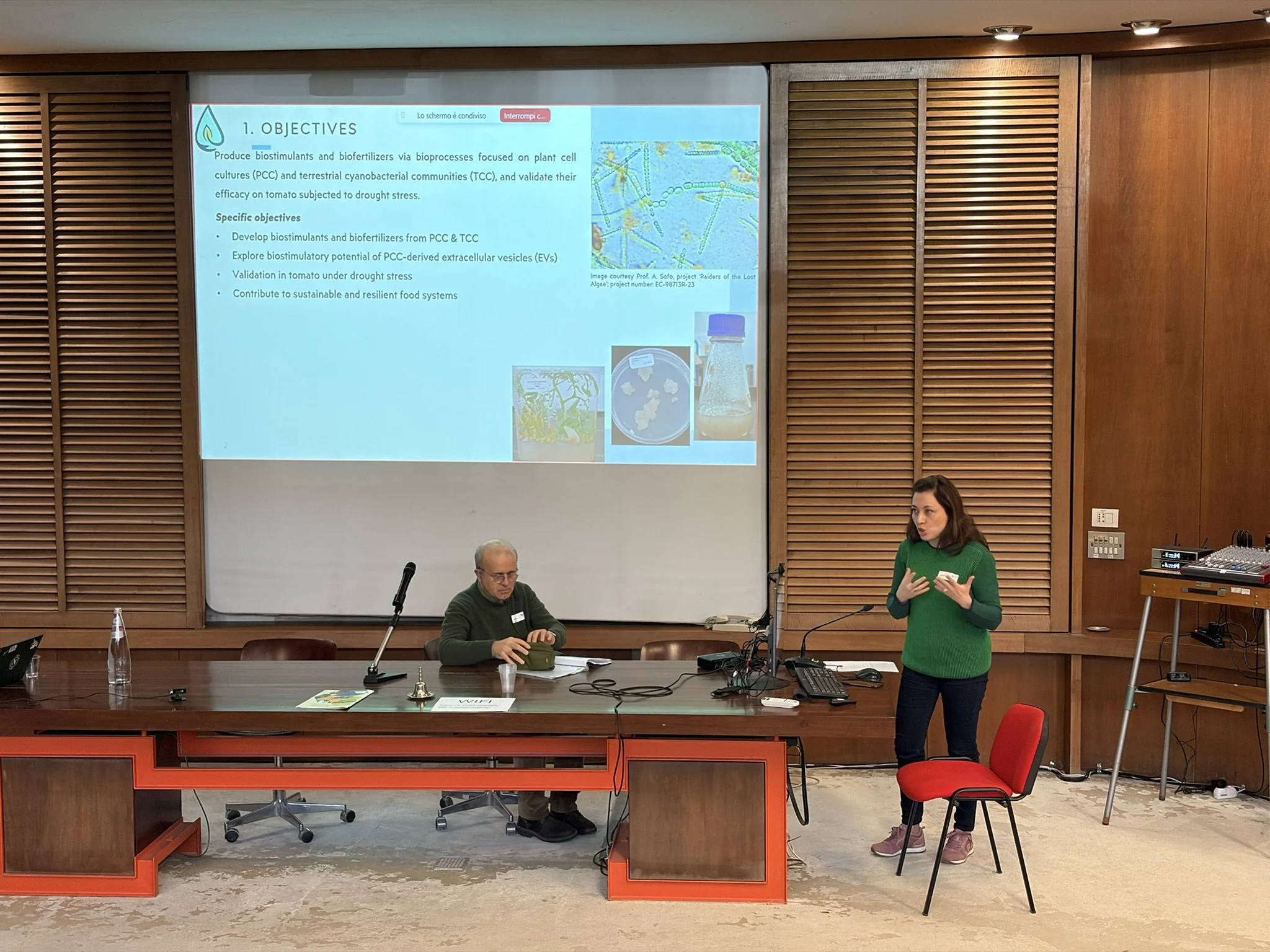
CROP BOOSTERS (Call 2) - by Gea Guerriero
CROP BOOSTERS develops biotechnology-based biostimulants and biofertilizers from plant cell cultures and terrestrial cyanobacteria to improve crop resilience to drought stress.
Initial work has demonstrated the feasibility of scaling up plant cell cultures and their potential as biostimulants. Technical challenges include variability in processing, contamination risks and species-specific protocols for extracellular vesicle isolation. Further experiments will assess combined treatments and EVs under drought conditions.
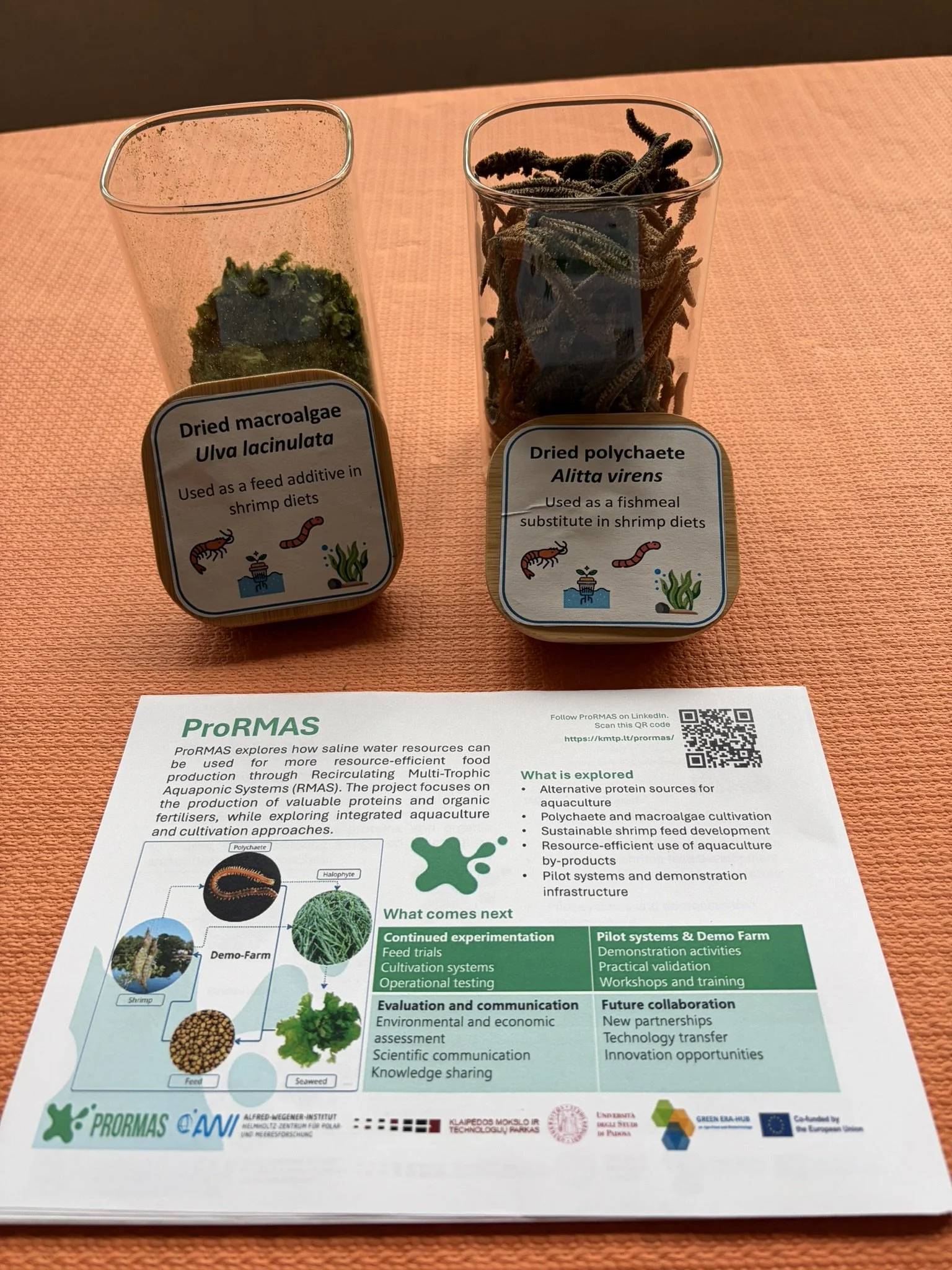
ProRMAS (Call 1) - By Isabela Pinheiro
ProRMAS explores sustainable food production using saline and brackish water by integrating aquaculture, algae and polychaete cultivation. The project tests alternative shrimp-feed proteins and aquaponic sludge as a biofertilizer. Initial trials showed promising results, including increased polychaete biomass and improved lettuce growth.
The project is now moving towards pilot-scale demonstration systems in Germany, Lithuania and Italy. Further work will focus on cultivation trials, environmental and economic assessment, and demonstration activities, with opportunities for future collaboration, technology transfer and knowledge sharing.
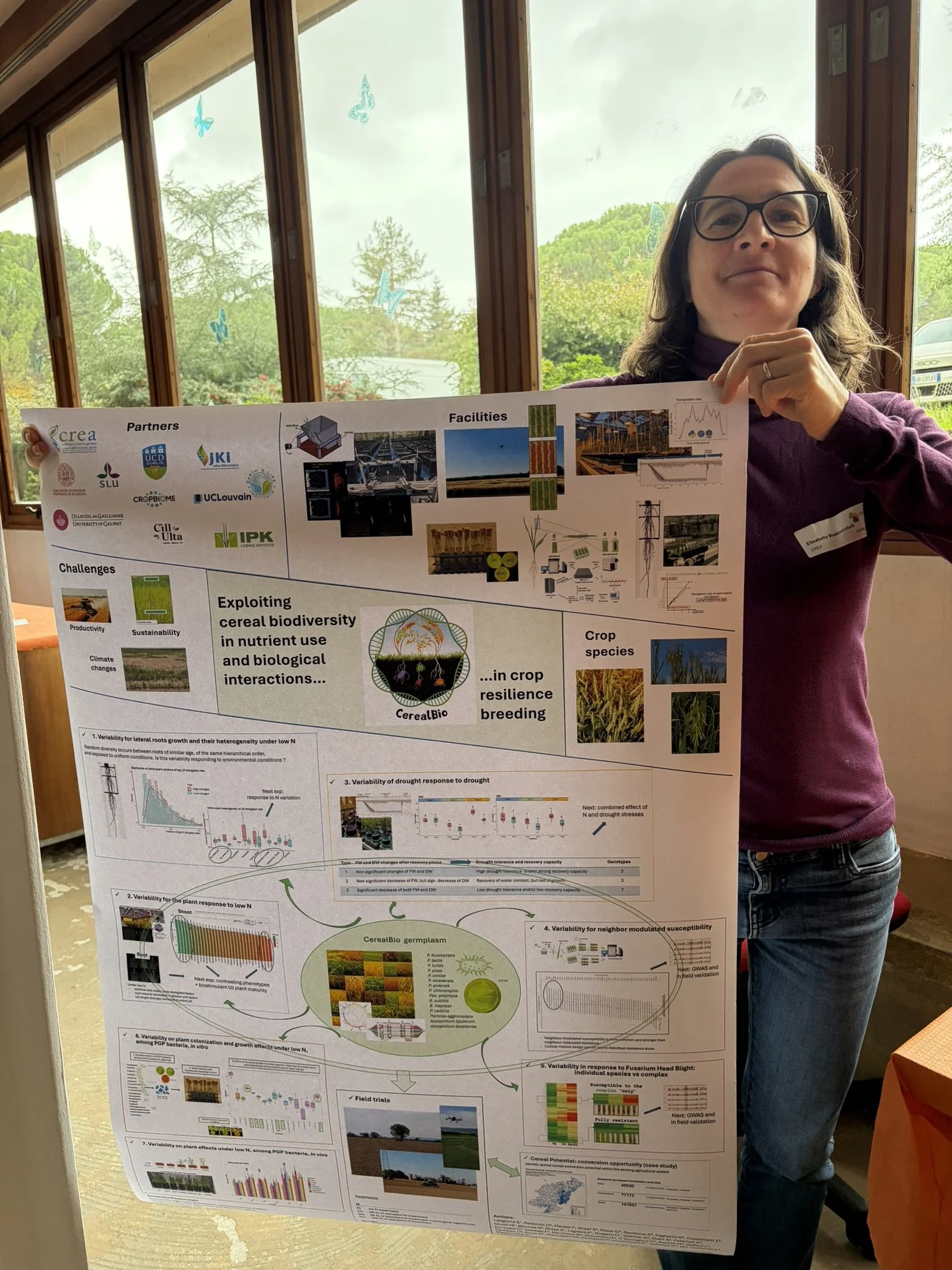
CerealBio (Call 2) - By Elisabetta Mazzucotelli
CerealBio explores cereal biodiversity and biological interactions to improve crop resilience and resource-use efficiency. The project has identified substantial variation among cereal genotypes in their responses to low nitrogen, drought and Fusarium, as well as in their interactions with beneficial bacteria.
The project is working on standardised protocols and metadata for field trials. Further work will focus on field validation and combined nitrogen and drought stress, with the aim of translating the findings into practical breeding strategies for crop resilience.
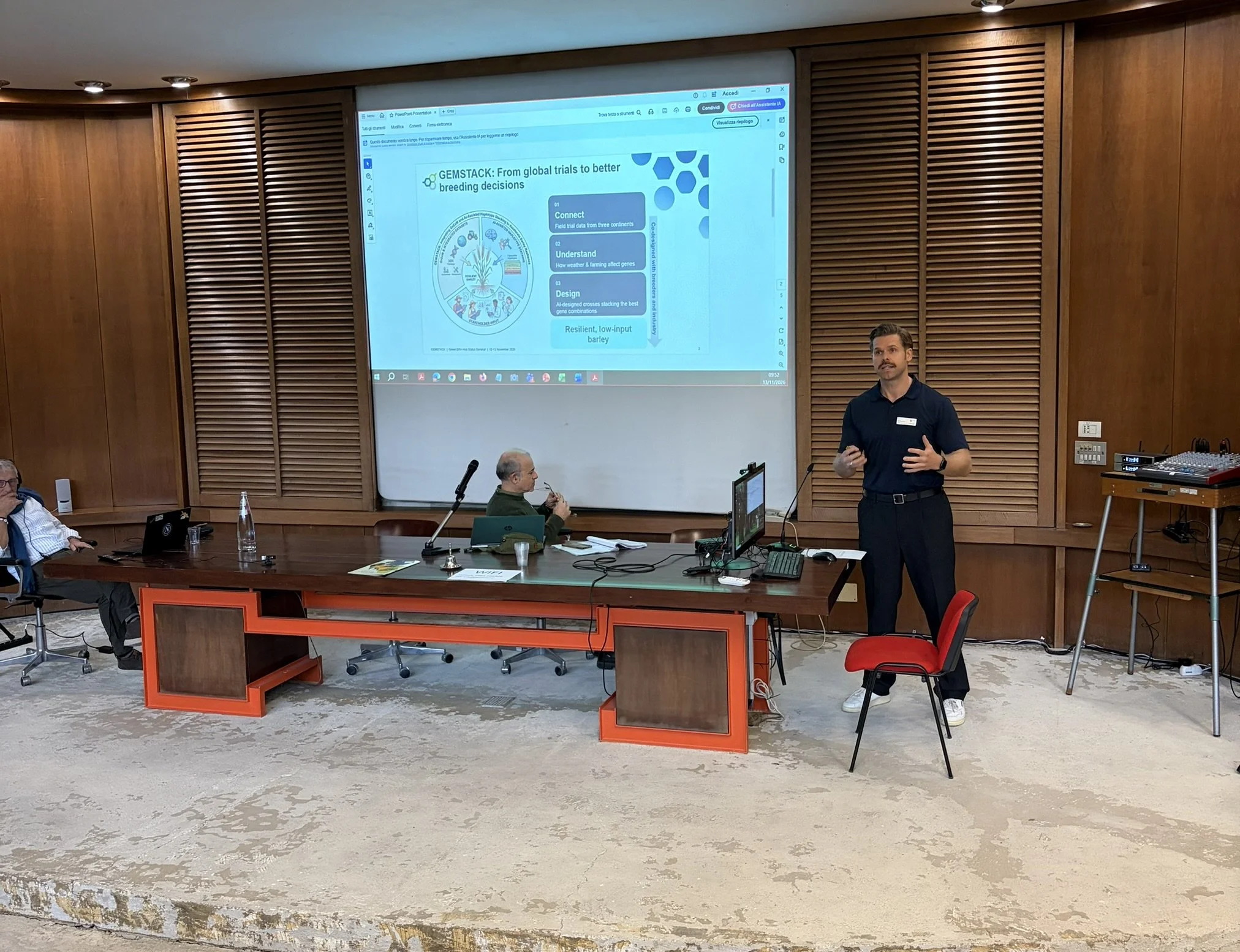
GEMSTACK (Call 3) - By Kai Voss-Fels
GEMSTACK aims to accelerate breeding of resilient, low-input barley by combining field and genomic data from three continents with GxExM modelling and AI-assisted breeding. The project examines how genetic traits interact with environmental and management conditions.
Key outputs will include an open global dataset, genomic regions linked to resilience and input efficiency, and AI-assisted tools to support breeding decisions. These outputs aim to help develop barley varieties that maintain yields with fewer inputs and could be transferable to other crops.
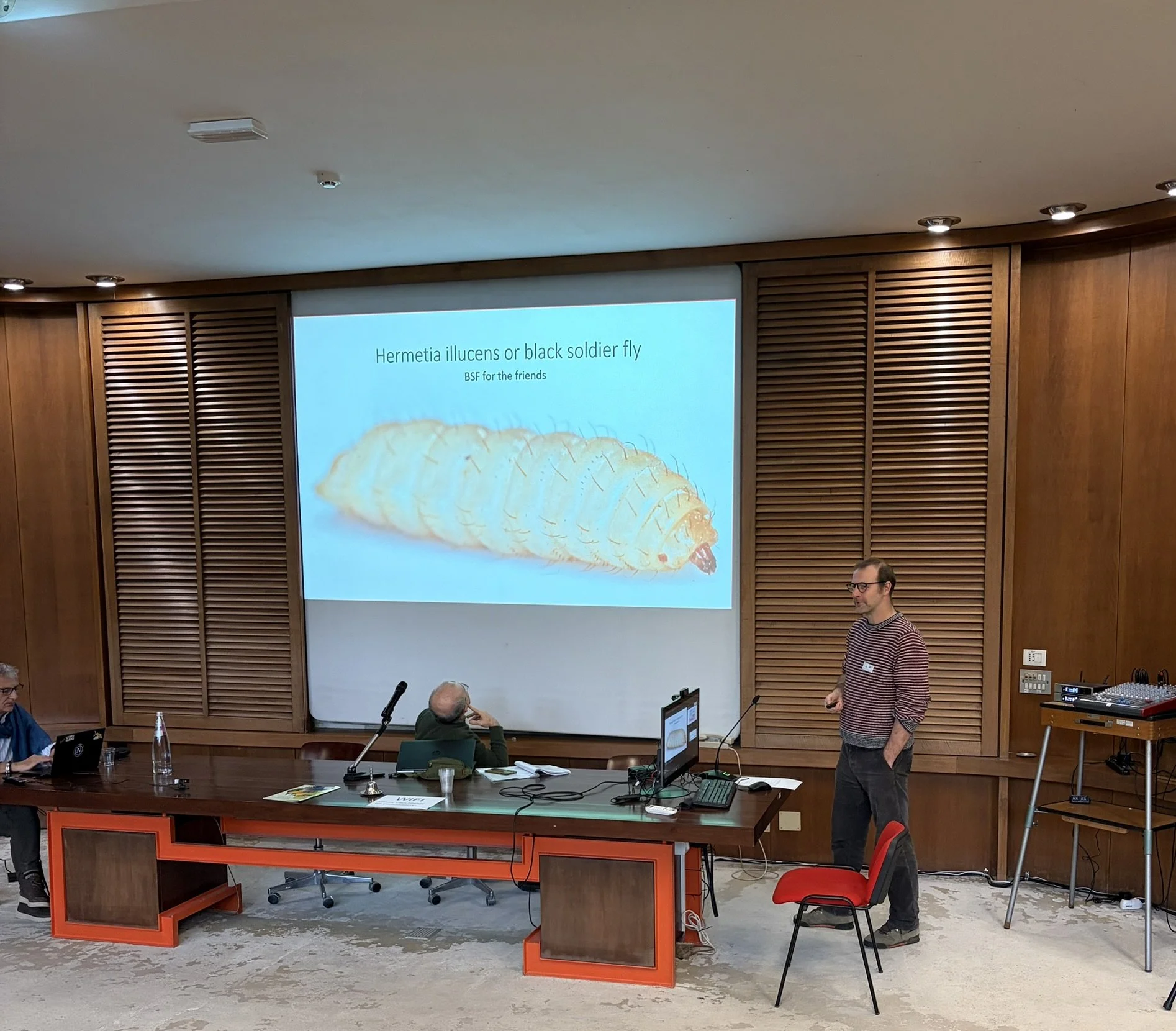
HiGa (Call 1) - By Stefan Teerlinck
The HiGA project is progressing well, with promising results on the use of black soldier fly (Hermetia illucens) in sustainable agriculture. Improved storage methods for larvae and pupae could support greater production stability and decentralised production. Trials also confirmed the potential of BSF protein as animal feed, while BSF oil had no negative effects on dairy cow milk yield or quality.
The project identified potential environmental benefits, including reduced enteric methane emissions and a lower estimated carbon footprint for milk production. Frass showed potential as a biostimulant, although its fertilising value was more limited. Overall, the results provide a promising basis for further development of BSF applications in sustainable agriculture.
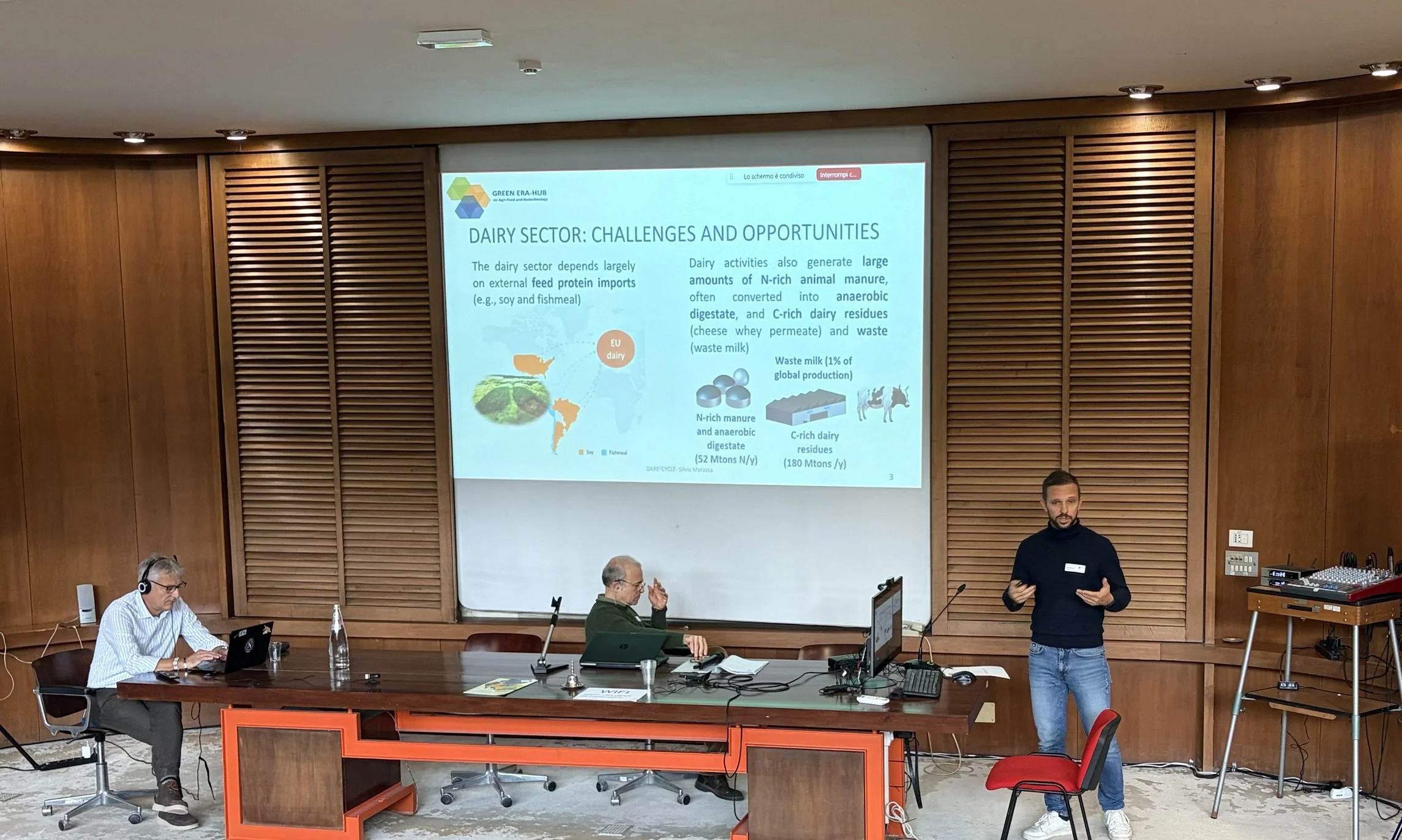
DARE2CYCLE (Call 1) - By Silvio Matassa
DARE2CYCLE is developing a biorefinery platform to recover carbon and nutrients from dairy waste and residues and upcycle them into microbial protein for food, feed and bioplastics. The project has already achieved promising results, including nutrient concentration, microbial protein production and initial bioplastic applications. Key lessons include the need for scientific harmonisation, careful coordination of interdependent research and dedicated resources for stakeholder engagement.
AMD-GAS (Call 1) - by Anita Burger
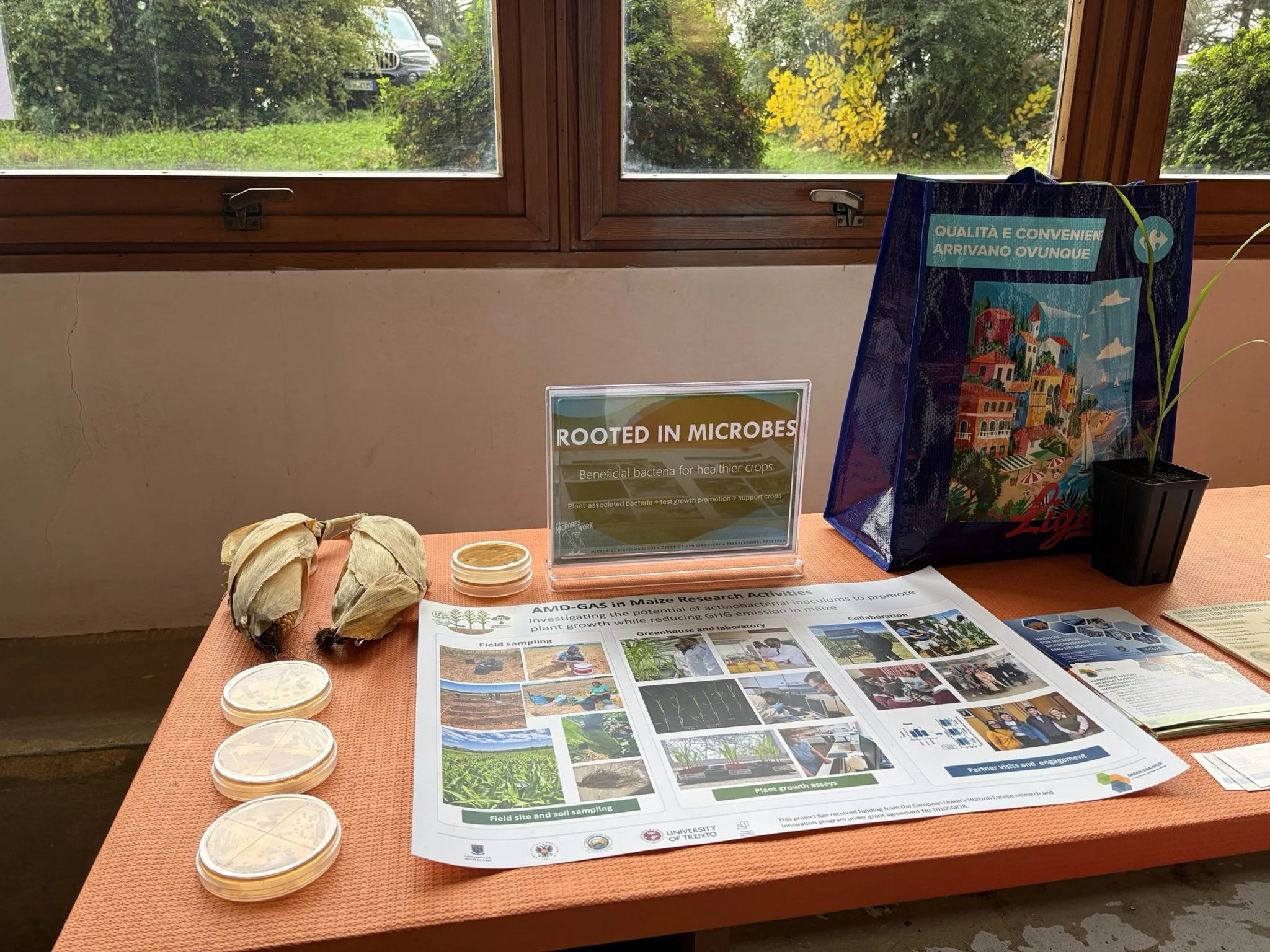
AMD-GAS in maize investigated the use of selected plant growth-promoting bacteria (PGPB) to reduce fertiliser use and greenhouse gas emissions in maize production. Field trials in Cameroon and South Africa showed promising effects on maize production under reduced fertiliser regimes, with indications of reduced GHG emissions. The project identified promising bacterial strains and consortia for further development and field validation.
MethTrack (Call 2) - By Stefania Colombini
MethTrack investigates methane mitigation strategies in ruminants by using stable carbon isotope analysis to track methane pathways and assess the effects of different diets and feed additives. Initial experiments in Italy and New Zealand confirmed differences between C3 and C4 feeds and showed that carbon isotope shifts reflect changes in ruminal methanogenesis. Further experiments with methane inhibitors are ongoing, alongside isotope analysis and modelling at TUM.
Sustain Sheep (Call 1) - By Fiona Mcgovern
Sustain Sheep aims to reduce sheep methane emissions through genetic improvement and the integration of low-environmental-impact traits into national breeding programmes. The project is pooling international datasets and using portable accumulation chambers to assess methane emissions, with modelling showing that genetic improvement can be an effective mitigation tool. Stakeholder engagement and international alignment are supporting the development and uptake of standardised breeding approaches.
ACE-BIO (Call 3) - By Thomas Walter
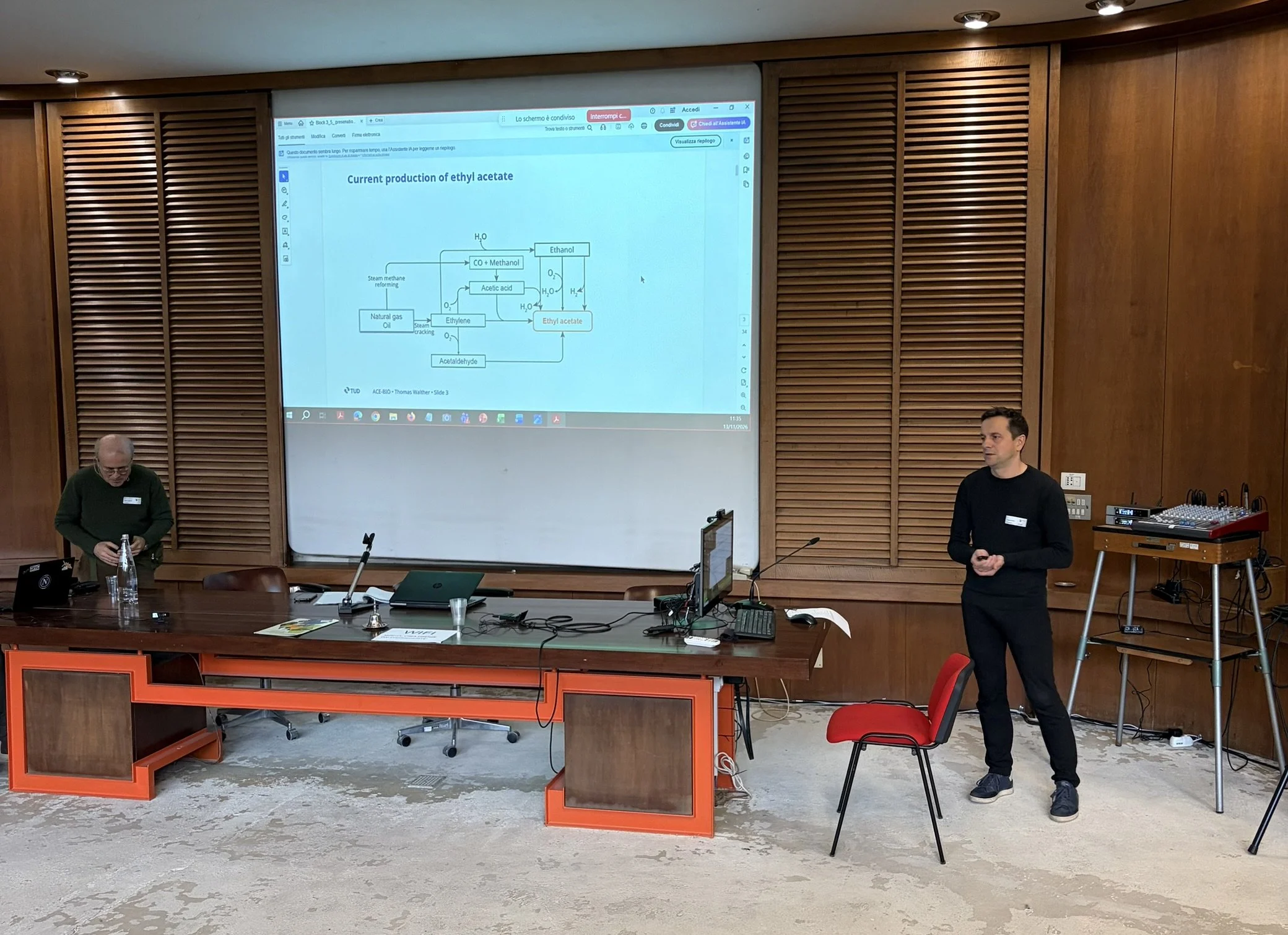
The project aims to develop a sustainable process for producing ethyl acetate through microbial fermentation of bio-based feedstocks, particularly waste streams such as delactosed whey permeate and grass press juice. Promising results have been achieved in fermentation optimisation, product yield and repeated-batch operation. Non-sterile fermentation has also been successfully demonstrated. Further work focuses on process optimisation, upscaling to TRL 5, product recovery and assessing the economic and environmental sustainability of the process.
‘What’s next?’ - Future funding opportunities in the partnerships
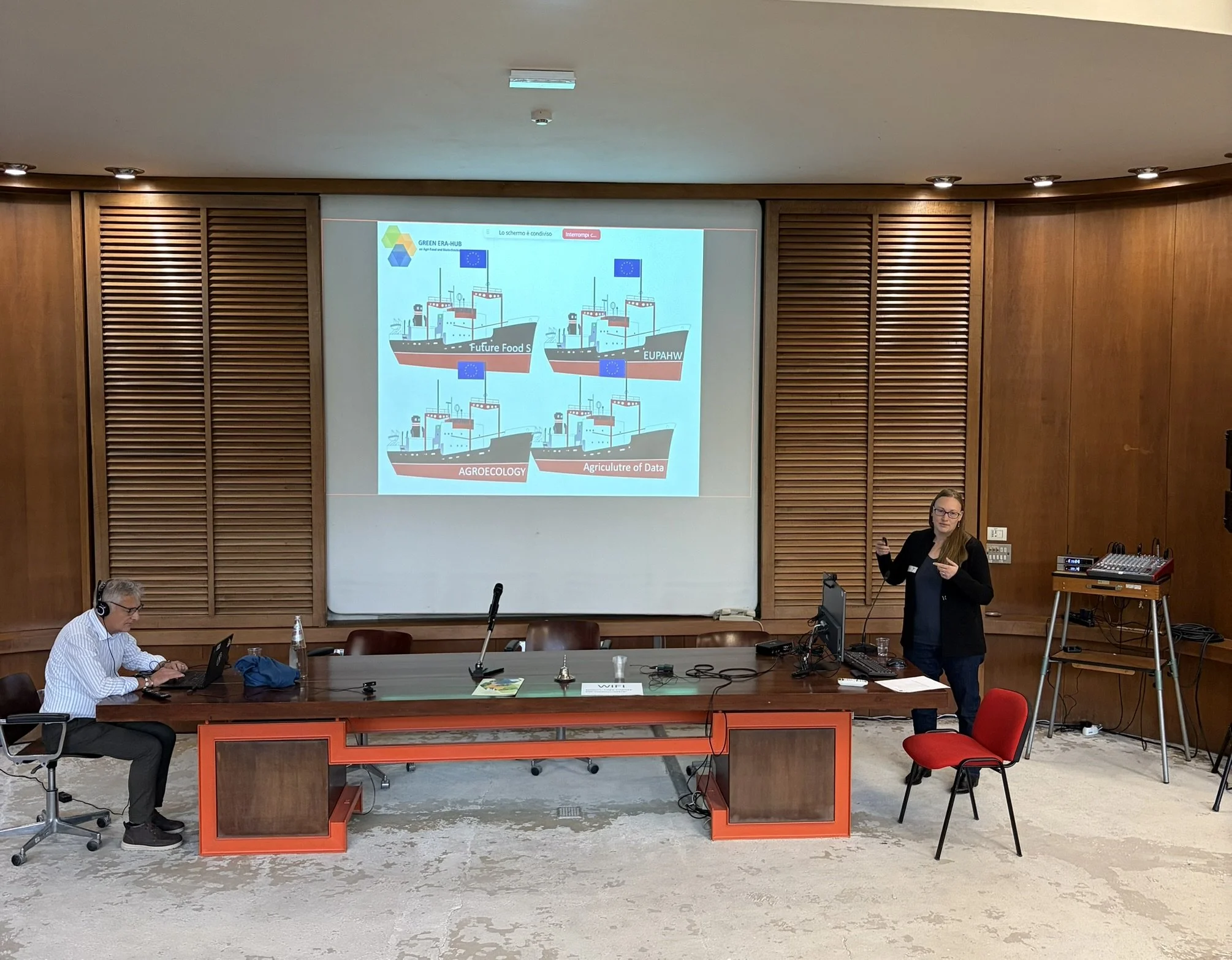
As the Green ERA-Hub comes to an end, four European partnerships were presented as potential sources of future research funding:
European Partnership on Animal Health and Welfare: Involving 101 organisations from 26 countries, this 10-year partnership has an anticipated budget of €360 million. Its third research call is expected to be announced shortly.
FutureFoodS: With 86 partners from 29 countries, this partnership focuses on sustainable food systems, particularly processing, distribution, consumption and food waste. Its third call is open, covering three topics, including sustainable food value chains and innovative food processing.
Agroecology: This partnership emphasises the transition towards agroecological farming, with a strong focus on living labs and research infrastructure. Its fourth call covers two topics, with the official launch planned for December 2026.
Agriculture of Data (AgData): Bringing together 61 partners, this partnership aims to improve the use and reuse of agricultural data. Its second call focuses on data-driven solutions for sustainable agriculture, with a short-proposal deadline expected in March 2027.
Participants were reminded that funding eligibility and conditions vary between national funders and should be checked carefully. Partnering tools are available to help identify potential consortium partners. Additional opportunities include PRIMA, with a final call expected in spring 2027, and BIOEAST-WIDE, focusing on networking and capacity building.
Watch the Presentation on ‘What’s next’ here